
resources
Exploring the Cities in America Map: Your Guide to Major Urban Centers
17 Mar 2025

Have you ever taken a moment to look at a map of American cities? It’s pretty fascinating how they’re laid out. This article will walk you through the cities in America map, showing you the major urban centers and what makes each one unique. From the bustling streets of New York to the sunny vibes of Los Angeles, there’s a lot to discover. Let’s dive in and explore these vibrant urban landscapes together!
Key Takeaways
- The cities in America map highlights major urban centers and their populations.
- Urban areas show distinct cultural and economic characteristics based on their geography.
- Historical events like colonization and industrialization have shaped the growth of cities.
- Emerging cities are becoming significant players in the economy and lifestyle trends.
- Maps play a vital role in understanding urban development and planning.
Understanding Major Urban Centers in America
Defining Urban Centers
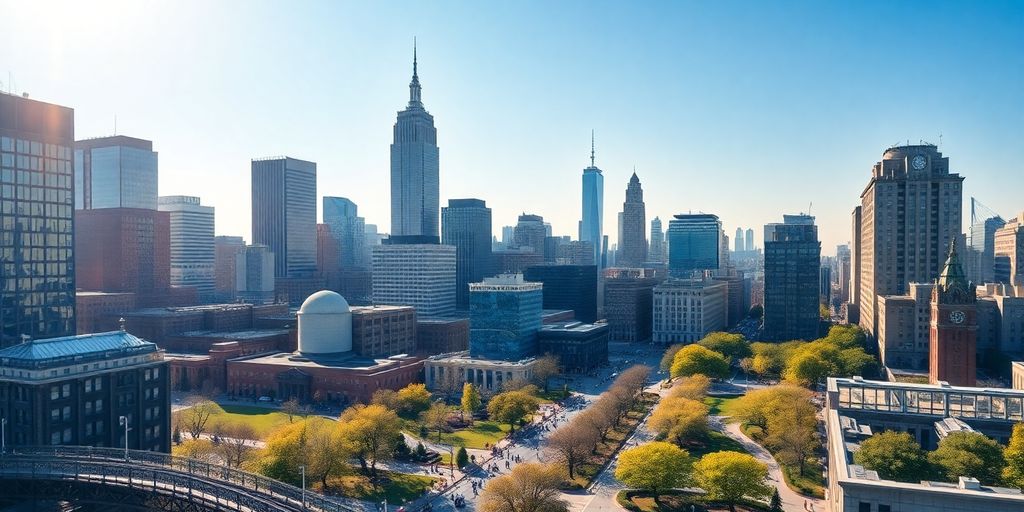
What exactly is an urban center? It’s more than just a big city. We’re talking about areas with a high concentration of people, infrastructure, and economic activity. Think of it as a place where things are happening – jobs, culture, innovation. These centers often have distinct boundaries, but they also bleed into surrounding suburban areas, creating larger metropolitan regions. It’s a complex web of interconnected communities. The USA-Cities-Map helps visualize these areas.
- High population density
- Significant economic activity
- Developed infrastructure
Population Distribution Trends
Where people live is constantly changing. For a long time, the trend was towards suburbanization, but now we’re seeing a resurgence of interest in urban living. Young professionals, in particular, are drawn to the opportunities and amenities that cities offer. This shift has major implications for housing, transportation, and resource management. Understanding these trends is key to planning for the future.
Cultural Significance of Major Cities
Cities are melting pots of culture, innovation, and ideas. They’re where new art forms are born, where social movements take shape, and where different perspectives collide. From the music scene in Nashville to the art museums in New York, each city has its own unique identity and contributes to the broader American cultural landscape. These cultural hubs are vital for creativity and progress.
Cities are not just places to live and work; they are centers of innovation, creativity, and cultural exchange. They shape our values, influence our perspectives, and drive progress in countless fields.
Insights from the Cities in America Map
The Cities in America Map offers a bunch of information at a glance. It’s not just about pretty colors; it’s a tool that can help you understand a lot about the country’s urban landscape. Let’s take a closer look at what you can learn from it.
Visual Representation of Urban Areas
The map uses dots to show where cities are located. This visual approach makes it easy to see how cities are spread out across the country. You’ll notice some areas have many dots clustered together, while others are more spread out. This gives you a quick idea of population density and regional development. It’s a great way to quickly grasp the nation’s urban layout.
Color Coding for Population Size
The map uses different colors to represent the population size of each city. For example, you might see:
- Red: Cities with over 10 million people
- Pink: Cities with over 5 million people
- Orange: Cities with over 1 million people
This color coding helps you quickly compare the relative size of different cities. It’s a simple way to see which cities are the biggest players in the country. This is useful for anyone planning city breaks.
Key Features of the Map
The Cities in America Map isn’t just about location and population. It also highlights other key features of urban areas. These can include:
- Major transportation routes: Showing how cities are connected by highways, railways, and airports.
- Geographic features: Displaying rivers, mountains, and coastlines that influence urban development.
- Economic hubs: Identifying areas with significant industrial, commercial, or technological activity.
By combining all of these elements, the map provides a comprehensive overview of America’s urban landscape. It’s a valuable tool for anyone interested in understanding how cities are shaped by geography, economy, and transportation.
Exploring Geographic Diversity Across Cities
Coastal vs. Inland Cities
American cities present a fascinating contrast between coastal and inland locations. Coastal cities, like New Orleans and Miami, often thrive due to trade, tourism, and access to maritime resources. Inland cities, such as Denver or Minneapolis, develop around agriculture, manufacturing, or natural resource extraction. This geographic divide shapes their economies, cultures, and even their architectural styles. Coastal cities tend to have a more international feel, while inland cities often retain a stronger sense of regional identity.
Urban Challenges and Adaptations
Cities across the U.S. face unique challenges based on their geography. Coastal cities grapple with rising sea levels and hurricane threats, requiring significant investment in infrastructure and disaster preparedness. Inland cities might struggle with water scarcity, extreme temperatures, or the economic shifts affecting agricultural regions. Adaptations vary widely:
- Coastal cities are investing in seawalls and improved drainage systems.
- Inland cities are implementing water conservation measures and diversifying their economies.
- Many cities are focusing on sustainable development to mitigate environmental impacts.
The ability of a city to adapt to its geographic challenges often determines its long-term viability and quality of life. Cities that proactively address these issues tend to be more resilient and attractive to residents and businesses.
Regional Economic Differences
The geography of a city significantly influences its economic landscape. For example, cities in the Northeast, like Boston and New York, are major financial and educational hubs. Cities in the Midwest, such as Chicago and Detroit, have historically been centers of manufacturing and industry. The South, with cities like Atlanta and Houston, is experiencing rapid growth in technology and healthcare. These regional differences create a diverse economic tapestry across the nation. Here’s a simplified view:
| Region | Key Industries |
|---|---|
| Northeast | Finance, Education, Technology |
| Midwest | Manufacturing, Agriculture, Logistics |
| South | Technology, Healthcare, Tourism |
| West | Technology, Entertainment, Agriculture |
Historical Context of American Cities
Colonial Foundations and Growth
In the early days of America, many cities began as colonial outposts. European powers strategically set up these settlements for trade and defense. Over time, they grew into busy urban centers. Cities like Boston, New York, and Philadelphia were among the first to see big growth, thanks to their ports and access to resources. These cities set the stage for America’s urban scene, with their streets and buildings showing a mix of colonial architecture and new American styles.
Industrialization and Urban Expansion
The industrial revolution was a game-changer for US cities. As factories popped up, cities like Detroit, Pittsburgh, and Chicago became major production hubs. This time brought big changes, like the rise of skyscrapers and spreading urban areas. The rush of workers looking for jobs in these industries led to fast population growth and urban sprawl. Cities grew outward, taking over farmland and turning it into neighborhoods and industrial zones.
Modern Developments and Trends
Today, US cities keep changing, driven by technology and globalization. Urban areas are now focusing on sustainable development and smart city tech. You can see this in the creation of green spaces and efficient public transportation systems. Cities are also becoming more diverse, with people from all over the world adding to the cultural mix. The modern cityscape shows this ongoing change, balancing historical roots with new growth.
The story of American cities is one of constant change, balancing their history with the needs of the future. From colonial trade centers to industrial giants and now tech-driven cities, the journey of American cities shows the strength and innovation of their people.
Traveling Through America’s Urban Landscapes
Top Destinations for Tourists
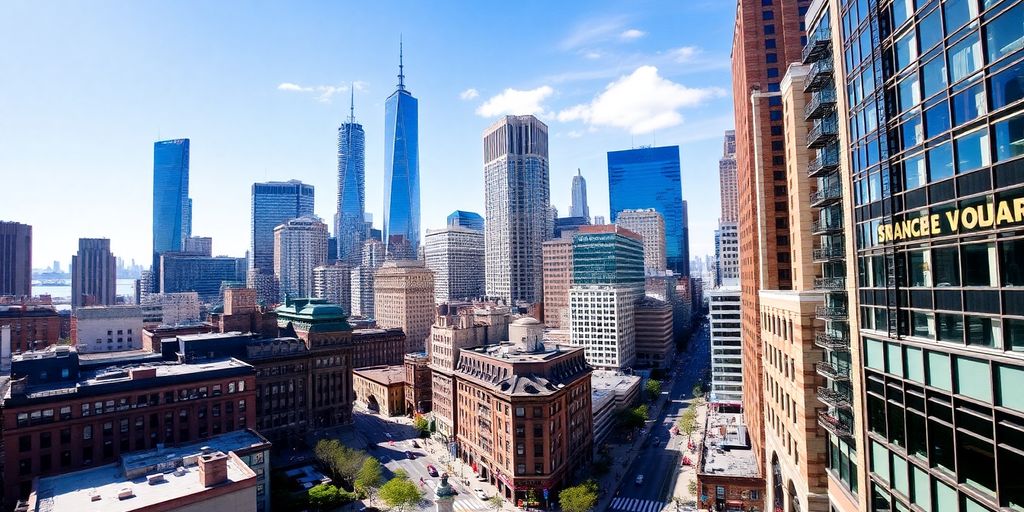
America boasts a huge range of urban destinations, each offering something unique for tourists. From historical landmarks to modern attractions, there’s a city to suit every interest. Consider these popular choices:
- New York City: Iconic skyscrapers, world-class museums, and Broadway shows.
- Los Angeles: Hollywood glamour, beautiful beaches, and diverse cultural experiences.
- Chicago: Stunning architecture, deep-dish pizza, and vibrant arts scene.
- San Francisco: Golden Gate Bridge, cable cars, and a unique, hilly landscape.
Cultural Experiences in Major Cities
Major cities are cultural hubs, offering a wide array of experiences. You can find everything from world-renowned museums to local music scenes. Foodies will love the diverse culinary offerings, while art enthusiasts can explore galleries and street art. Don’t miss out on local festivals and events that showcase the city’s unique character. For example, you can explore the urban giants of New York City.
Planning Your Urban Adventure
Planning an urban adventure requires some thought. Here are a few tips to make your trip smooth and enjoyable:
- Transportation: Research the best way to get around. Many cities have excellent public transportation systems, while others are more car-dependent.
- Accommodation: Choose a location that’s convenient for the attractions you want to see. Consider factors like safety and proximity to public transport.
- Budget: Urban travel can be expensive, so set a budget and stick to it. Look for free activities and affordable dining options.
Remember to be open to new experiences and embrace the unexpected. Urban adventures are all about discovering hidden gems and creating lasting memories.
Emerging Cities and Their Impact
Identifying Up-and-Coming Urban Areas
It’s interesting to see which cities are starting to really take off. It’s not always the biggest ones that are making waves. Sometimes, it’s the smaller, more agile cities that are adapting and growing the fastest. These places often have a unique mix of factors that make them attractive to new residents and businesses. Keep an eye on cities that are investing in technology, sustainability, and community development.
- Cities with strong tech sectors, like Austin, TX, or Raleigh, NC, are often good bets.
- Look for cities with a growing job market and a lower cost of living than major metropolitan areas.
- Consider cities that are investing in arts and culture, as these tend to attract a creative workforce.
Economic Opportunities in Emerging Cities
One of the biggest draws of emerging cities is the potential for economic growth. These cities often have a more diverse economy than older, more established urban centers, which can make them more resilient to economic downturns. Plus, there’s often more opportunity for entrepreneurs and small businesses to thrive. For example, cities that are becoming hubs for global trade are seeing an influx of new businesses and investment.
Emerging cities are not just about economic growth, though. They’re also about creating a more sustainable and equitable future for all residents. This means investing in education, healthcare, and affordable housing.
Quality of Life in New Urban Centers
Quality of life is a huge factor when people are deciding where to live. Emerging cities often offer a better balance between work and life than larger, more congested cities. This can include access to outdoor recreation, shorter commute times, and a stronger sense of community. It’s not just about the job market; it’s about finding a place where you can thrive. Here’s a quick look at some factors that contribute to quality of life:
- Access to parks and green spaces
- Affordable housing options
- Good schools and educational opportunities
- Safe neighborhoods and low crime rates
The Role of Maps in Urban Planning
Using Maps for City Development
Maps are super important for planning how cities grow and change. They help city planners see the big picture and make smart choices about where to put things like new buildings, roads, and parks. Maps provide a visual way to understand the current layout of a city and how different parts connect.
- Maps help identify areas that are good for new construction.
- They show where infrastructure like water and power lines need to go.
- Maps can also help protect important natural areas within the city.
Urban planning relies heavily on maps to create sustainable and livable communities. By analyzing spatial data, planners can make informed decisions that balance growth with environmental protection and the needs of residents.
Analyzing Urban Growth Patterns
By studying maps over time, planners can see how a city has grown and predict how it might grow in the future. This helps them plan for things like increased traffic, more housing, and new schools. Understanding urban growth patterns is key to managing resources and making sure the city develops in a way that benefits everyone.
- Maps show where new neighborhoods are developing.
- They reveal how transportation networks are expanding.
- Analyzing maps helps predict future population growth.
Educational Uses of City Maps
City maps aren’t just for planners; they’re also great for teaching people about their city. Schools can use maps to teach kids about local history, geography, and how the city works. Maps can also help residents understand city services and get involved in planning decisions. Digital maps have changed how we interact with cities. Tools like GPS and Geographic Information Systems (GIS) are now essential for urban planning, navigation, and even daily commuting. They make cities more accessible and manageable for residents and planners alike.
- Maps can be used to teach students about local landmarks.
- They help residents understand zoning regulations.
- Maps can be used to promote civic engagement and participation.
Your Next Urban Adventure Awaits
As we wrap up our journey through America’s cities, it’s clear that each urban center has its own story to tell. From the iconic skyline of New York to the laid-back charm of San Diego, these cities are more than just dots on a map. They are vibrant places filled with culture, history, and opportunities. Whether you’re planning a trip or just curious about what makes each city unique, this map is a handy tool to guide you. So, take a moment to explore, discover hidden gems, and enjoy the rich experiences that await in every corner of the country. Your next adventure is just a map away!
Frequently Asked Questions
What are urban centers?
Urban centers are large cities where many people live and work. They are important because they offer jobs, services, and culture.
How do cities in America differ in population?
Cities vary widely in population. Some have millions of people, like New York and Los Angeles, while others might have just a few hundred thousand.
Why are maps important for understanding cities?
Maps help us see where cities are located and how they connect to each other. They show important features like roads, parks, and neighborhoods.
What challenges do cities face today?
Cities face problems like traffic, pollution, and housing shortages. They also have to adapt to climate change and natural disasters.
What makes a city culturally significant?
A city is culturally significant when it has a rich history, diverse communities, and offers unique experiences like food, music, and festivals.
How can I plan a trip to American cities?
To plan a trip, you can use maps to find cities you want to visit, look for attractions, and decide how to get there. It’s good to research what each city is known for!


