
resources
The Economics of Esports

The esports industry has evolved from a niche interest into a major economic force, captivating millions worldwide. With its unique blend of competitive gaming, sponsorships, and digital innovation, the esports economy is a fascinating landscape filled with opportunities and challenges. This article explores the various aspects of the esports economy, shedding light on its revenue streams, player salaries, and the future outlook for this dynamic sector.

Key Takeaways
- Esports has transformed into a global industry, with millions of viewers and significant revenue potential.
- Sponsorships and advertising are the primary sources of income, making brand partnerships crucial.
- Player salaries in esports are becoming comparable to traditional sports, reflecting the industry’s growth.
- Challenges such as market volatility and regulatory issues need to be addressed for sustainable development.
- The future of esports looks promising, with emerging technologies and new revenue models on the horizon.
The esports industry has exploded, going from a niche hobby to a serious global market. It’s not just about playing games; it’s a complex web of money, players, and fans. Let’s break down the key elements that make up the esports economy.
Esports, short for electronic sports, is essentially organised, competitive video gaming. Think of it as professional video gaming, where individuals or teams compete against each other in specific games for prize money and recognition. These competitions can range from small online tournaments to massive, stadium-filling events.
The games themselves vary widely, including everything from strategy games like League of Legends and Dota 2 to first-person shooters like Counter-Strike and Overwatch, and even sports simulations like FIFA. The definition is constantly evolving as new games and formats emerge, but the core idea remains the same: skilled players battling it out for victory.
Key players in the eSports industry
The esports ecosystem is made up of several important groups. First, you’ve got the game developers, like Riot Games (League of Legends) or Valve (Counter-Strike), who create the games that form the basis of the entire industry. Then there are the professional players and teams, who are the athletes of esports.
These teams are often backed by organisations that provide salaries, training, and support. Next, you have tournament organisers, like ESL or DreamHack, who run the competitions. Broadcasters and streaming platforms, such as Twitch and YouTube, are crucial for delivering the content to viewers. Finally, sponsors and advertisers provide the financial backing that keeps the whole machine running. All these players contribute to eSports economics.
The role of viewership in esports
Viewership is the lifeblood of esports. Without viewers, there’s no audience for sponsors to reach, no reason for broadcasters to invest, and no incentive for teams to compete. The number of people watching esports has grown dramatically in recent years, with millions tuning in to watch major tournaments.
This massive audience attracts significant advertising revenue and drives the value of media rights. Viewership numbers are also a key factor in determining the size of prize pools and player salaries. The more popular a game or tournament is, the more money flows into the ecosystem, creating a virtuous cycle of growth. It’s a simple equation: more viewers equal more money, which equals more investment and even more viewers.
The rise of esports viewership has been fuelled by several factors, including the increasing accessibility of online streaming platforms, the growing popularity of video games, and the development of professional esports leagues and tournaments. As viewership continues to grow, the esports economy is expected to become even more lucrative and influential.
Revenue streams in eSports
Esports, like any other professional sport, rely on diverse revenue streams to sustain their ecosystems. Understanding these streams is key to grasping the overall economics of esports. It’s not just about the games; it’s about the money that flows around them:
Sponsorship and Advertising
Sponsorships are a major source of income for esports teams and tournaments. Brands pay to have their names and logos associated with esports events and teams, gaining access to a large and engaged audience. Think of it like football shirts, but digital. These deals can range from simple logo placements to complex partnerships involving content creation and player endorsements.
For example, you might see brand partnerships with energy drink companies, hardware manufacturers, or even car brands. Advertising during broadcasts and events also contributes significantly, with companies paying for ad slots to reach viewers.
Merchandising Opportunities
Merchandise provides another avenue for revenue generation. Fans love to support their favourite teams and players by purchasing branded apparel, accessories, and in-game items. This can include jerseys, hats, mousepads, and even virtual items within the games themselves. The success of merchandising depends on the popularity of the team or player, as well as the quality and appeal of the merchandise.
Some esports organisations have seen huge success with limited-edition apparel lines, creating a buzz and driving sales. For example, one organisation made millions in a month from their apparel line. It’s a great way to get the organisation’s brand out there.
Media Rights and Broadcasting
As esports viewership continues to grow, media rights have become increasingly valuable. Streaming platforms like Twitch and YouTube, as well as traditional broadcasters, pay for the rights to broadcast esports tournaments and leagues. These deals can be exclusive, giving the broadcaster a monopoly on the content and allowing them to generate revenue through advertising and subscriptions.
The sale of broadcasting rights is now similar to traditional sports, with exclusive deals becoming common. This not only boosts revenue for esports organisations but also enhances the visibility of the sport. It’s a win-win situation.
The rise of esports has led to a surge in media rights deals, with platforms competing to secure exclusive broadcasting rights. This competition drives up the value of these rights, benefiting esports organisations and providing viewers with more options for watching their favourite games.
The Impact of Player Salaries in Esports
Okay, so let’s talk money. Player salaries in esports are a hot topic, especially when you stack them up against what athletes in traditional sports earn. It’s not quite apples to apples, but it’s interesting to see the differences. While top-tier esports players can pull in a decent wage, the astronomical figures you see in football or basketball are still a long way off for most.
- Esports salaries are generally lower than those in major traditional sports.
- The earnings gap reflects the different revenue models and maturity of the industries.
- Sponsorships and endorsements play a significant role in boosting an esports player’s income.
Team Management and Support Structures for Esports
It’s not just about the players; it’s about the whole team. Esports organisations are starting to realise that investing in support staff is crucial. We’re talking coaches, analysts, psychologists – the works. These people help players perform at their best, and that investment can really pay off in the long run. Think of it like Formula 1; you can have the best driver, but without a solid pit crew, you’re not winning any races.
A well-supported team environment can significantly improve player performance and longevity in the competitive scene. This includes providing resources for physical and mental well-being, as well as strategic and tactical support.
Economic Implications of Player Contracts in esports
Player contracts in esports are getting more complex. We’re seeing longer deals, buy-out clauses, and performance-based incentives becoming more common. This has big implications for team finances and the overall stability of the scene. If a team overspends on a star player who doesn’t deliver, it can really hurt their bottom line. It’s a balancing act between attracting talent and managing risk.
The rise of player unions and standardised contracts could bring more stability and fairness to the industry.
-
Standard Salary
-
Fixed monthly payment, often with performance bonuses.
-
Provides financial stability for players, but may limit potential earnings.
-
-
Performance-Based
-
Lower base salary, with significant bonuses for tournament wins and achievements.
-
Incentivises high performance, but can be risky for players if they underperform.
-
-
Hybrid (Salary + %)
-
Base salary plus a percentage of team winnings and sponsorship revenue.
-
Balances stability with potential for higher earnings, aligning player and team interests.
-
Market Volatility
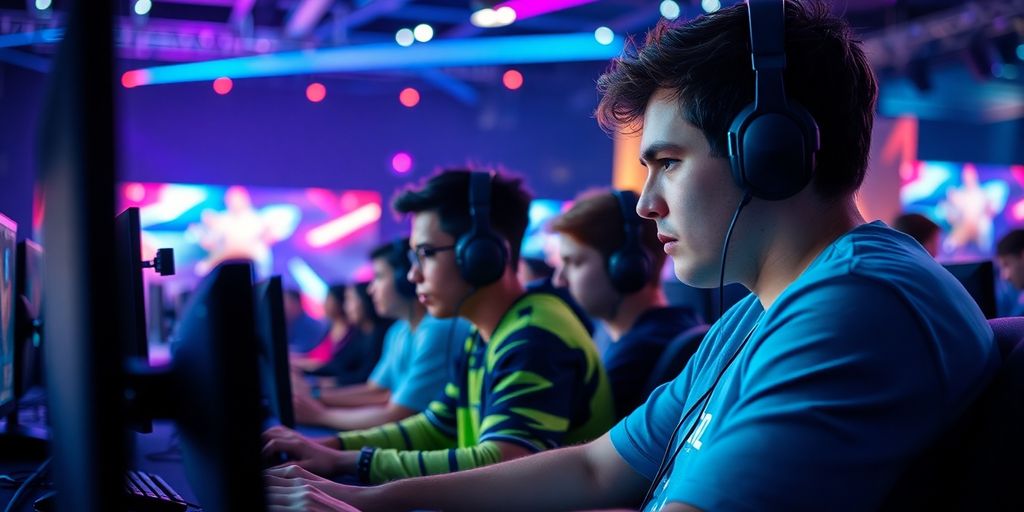
The esports market, while showing impressive growth, isn’t immune to volatility. One minute everything’s booming, the next, things can look a bit shaky. This is partly because a lot of esports companies rely on venture capital and advertising, and when the wider economy hits a rough patch, those sources can dry up pretty quickly. It’s a bit like a rollercoaster – exciting, but you need a strong stomach.
Regulatory Issues
Navigating the legal side of esports can be a real headache. There’s a lack of clear, consistent rules across different countries, which makes things tricky for everyone involved. Think about player contracts, potential unionisation, and all sorts of other legal grey areas. Getting this sorted is key for the long-term health of the industry.
Shifts in Consumer Interest
Consumer interest can be fickle. What’s popular today might be old news tomorrow. Esports needs to keep things fresh and exciting to hold people’s attention. Plus, with so many entertainment options out there, from traditional sports to streaming services, esports is always competing for eyeballs. It’s a constant battle to stay relevant.
The esports industry faces a unique challenge in maintaining consistent consumer engagement. Unlike traditional sports with established fan bases and predictable seasons, esports relies heavily on the popularity of specific games, which can wane quickly. This necessitates continuous innovation and adaptation to capture and retain audience attention.
The Future of Esports Economics
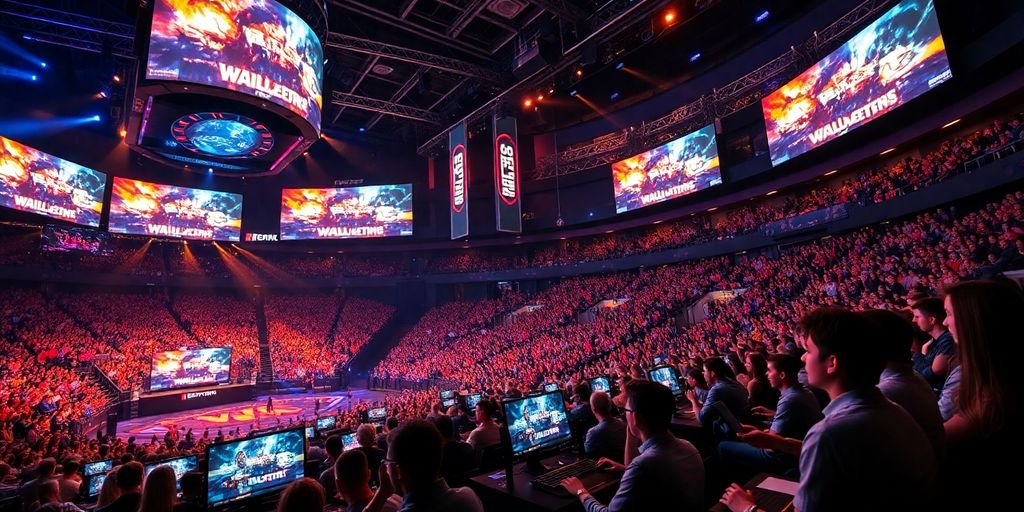
Esports is changing fast, and it’s not just about the games. The money side of things is also set for some big changes. We’re talking new tech, more local events, and fresh ways to make money. It’s a wild ride, but here’s what I reckon we’ll see.
Emerging Technologies
New tech is going to be a game-changer. Virtual reality (VR) and augmented reality (AR) could make watching esports way more immersive. Imagine watching a League of Legends match as if you’re right there on Summoner’s Rift, or seeing a CS:GO map overlaid onto your living room. It’s not just about looking cool, it’s about getting fans more involved and opening up new ways to experience the games. This could mean new viewing platforms, interactive ads, and even training tools for players.
Growth of Regional Tournaments
While the big international tournaments will always be a thing, I think we’ll see more smaller, regional events popping up. These are great for a few reasons:
- They let local talent shine.
- They’re cheaper to run, so more people can get involved.
- They build up local fan bases, which is good for the long term.
These tournaments can create a more diverse esports scene, giving players and fans more opportunities closer to home. Plus, it helps spread the economic benefits of esports to more communities.
Potential for New Revenue Models
Right now, esports makes most of its money from sponsorships and ads. But that might not be enough in the future. We need to find new ways to bring in the cash. Here are a few ideas:
- Subscription services: Think Netflix, but for esports. Exclusive content, behind-the-scenes stuff, and maybe even coaching.
- Microtransactions: In-game items, emotes, and other digital goodies that fans can buy to support their favourite teams and players.
- Data analytics: Selling data about player performance and fan behaviour to teams, sponsors, and broadcasters.
The esports industry is at a turning point. To keep growing, it needs to adapt and find new ways to make money. This means embracing new tech, supporting local scenes, and getting creative with revenue models.
It’s going to be interesting to see how things play out. One thing is for sure: the future of esports economics is going to be anything but boring.
Tournament Economics Explained
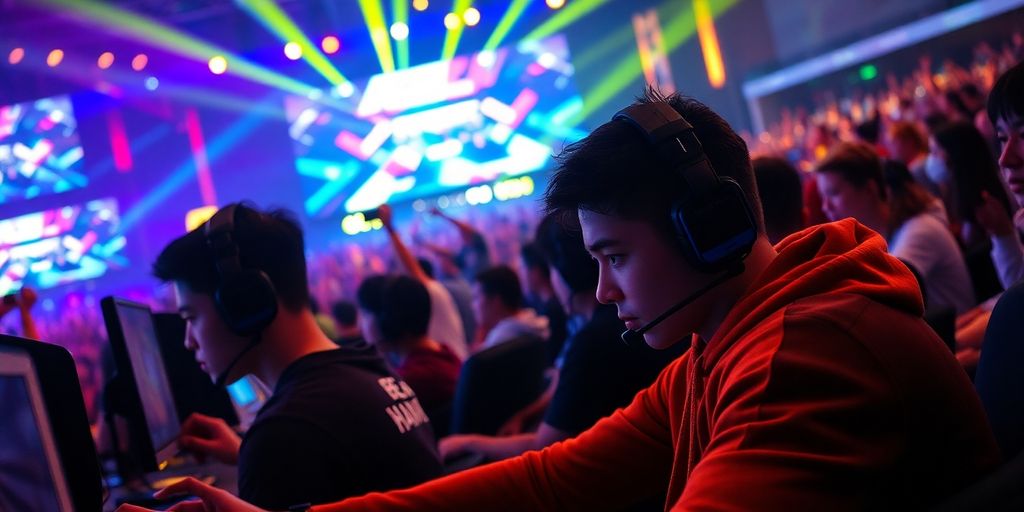
Esports tournaments are more than just competitions; they’re complex economic events with significant financial implications. Understanding the costs, revenues, and economic impact is key to appreciating the scale of the esports industry. Let’s break down the economics of these events.
Cost of Organising Events
Putting on an esports tournament is a costly affair. It’s not just about renting a venue and plugging in some computers. There are several key expenses to consider:
- Venue and Setup: Securing a suitable venue can be a major expense. Large arenas are often required to accommodate both players and spectators. The setup involves staging, seating, and branding, all adding to the cost.
- Technology and Infrastructure: Esports tournaments rely on high-end technology. This includes gaming PCs, large screens, broadcasting equipment, and a stable internet connection. Ensuring minimal lag and seamless streaming is crucial, and this comes at a price.
- Operational Costs: Beyond the venue and tech, there are numerous operational costs. These include staffing (event managers, referees, commentators), security, marketing, and logistics. These costs are essential for a smooth and professional event.
Prize Money Dynamics
Prize pools are a major draw for both players and viewers. They can range from a few thousand pounds for smaller events to millions for major championships. Here’s how prize money impacts the economics of tournaments:
- Attracting Top Talent: Large prize pools attract the best players from around the world. This increases the competition and makes the tournament more exciting for viewers.
- Boosting Viewership: Higher viewership translates to more revenue from sponsorships and broadcasting rights. This, in turn, allows for even larger prize pools in the future.
- Community Funding: Some games, like Dota 2, use crowdfunding to increase their prize pools. This involves selling in-game items, with a portion of the revenue going towards the prize money. This creates a direct link between the community and the tournament’s success.
The prize money distribution is also important. Typically, the winning team or player receives the largest share, but other participants also receive smaller amounts. This helps to incentivise participation and create a more competitive environment.
Economic Impact on Local Communities
Esports tournaments can have a significant economic impact on the local communities that host them. This impact goes beyond the direct revenue generated by the event itself.
- Tourism: Tournaments attract visitors from around the world, who spend money on accommodation, food, and entertainment.
- Job Creation: Hosting a tournament creates temporary jobs in areas such as event management, security, and hospitality.
- Increased Visibility: Hosting a major esports event can raise the profile of a city or region, attracting further investment and tourism in the long run.
Sponsorship Dynamics in Esports
Sponsorships are a big deal in esports. They’re like the fuel that keeps the engine running, creating a win-win situation for everyone involved. Brands get to connect with a dedicated audience, and leagues/teams get the funds they need to host events and offer prize pools. It’s a pretty sweet deal.
There are a few main types of sponsorship deals you’ll see in esports:
- Direct Financial Sponsorship: This is where a company gives money to a team or event in exchange for advertising. Think of it like a company logo on a jersey or having their name on a tournament.
- In-Kind Sponsorship: Instead of money, a company might provide goods or services. For example, a gaming hardware company might supply computers and peripherals.
- Media Sponsorship: This involves a company paying to have their ads shown during esports broadcasts or on related content. It’s all about getting their name out there to viewers.
Sponsorships are the lifeblood of esports, but they’re also evolving. Brands are looking for more than just logo placement; they want to be part of the esports community and create meaningful experiences for fans.
Impact of Brand Partnerships
Brand partnerships can have a huge impact on esports teams and events. They provide financial stability, which allows teams to invest in better players, training facilities, and marketing.
For events, sponsorships can help increase prize pools and improve the overall production quality. This can attract more viewers and make the event more exciting. For example, ESG investment is becoming more common.
Trends in Sponsorship Investment
Investment in esports sponsorships has been on the rise, but there are some interesting trends to keep an eye on:
- Non-Endemic Brands: More and more companies that aren’t directly related to gaming (like car companies or fast-food chains) are getting involved in esports sponsorships. They see the potential to reach a young, tech-savvy audience.
- Long-Term Partnerships: Instead of short-term deals, brands are increasingly looking for long-term partnerships with teams and leagues. This allows them to build a stronger relationship with the esports community.
- Focus on Content Creation: Brands are investing in content creation related to esports, such as behind-the-scenes videos, player interviews, and live streams. This helps them engage with fans in a more authentic way.
Sponsorships are a vital part of the esports ecosystem. They provide the financial backing that teams and events need to thrive. As the industry continues to grow, we can expect to see even more creative and innovative sponsorship deals emerge.
Final Thoughts on Esports Economics
In conclusion, the world of esports is a vibrant and rapidly evolving sector that blends entertainment with significant economic potential. As we’ve seen, the financial landscape is shaped by various factors, including sponsorships, advertising, and the growing interest in competitive gaming.
While challenges like fluctuating consumer interest and regulatory hurdles exist, the future remains bright. With advancements in technology and a broader acceptance of esports as a legitimate form of entertainment, there are ample opportunities for growth. As the industry continues to mature, it will be fascinating to watch how it adapts and thrives in the coming years.
Frequently Asked Questions
What is esports?
Esports refers to competitive gaming where players or teams compete in video games, often in tournaments.
Who are the main players in the esports industry?
Key players include game developers, professional teams, players, sponsors, and streaming platforms.
How do esports generate revenue?
Esports earn money through sponsorships, advertising, ticket sales, merchandise, and media rights.
What are the typical salaries for esports players?
Top esports players can earn salaries similar to those in traditional sports, depending on their skill and popularity.
What challenges does the esports industry face?
Challenges include market changes, regulatory issues, and maintaining viewer interest.
What does the future hold for esports?
The future of esports looks bright with new technologies, more regional events, and potential new ways to make money.


