
resources
Exploring the Future: Innovation in Medical Technologies Shaping Healthcare in 2025
08 Apr 2025

The healthcare landscape is changing rapidly, thanks to new medical technologies that promise to improve patient care and streamline processes. As we look ahead to 2025, it’s clear that innovations in medical technologies will play a crucial role in shaping how we deliver healthcare. From artificial intelligence to wearable devices, these advancements are set to redefine patient experiences and operational efficiency in ways we can only begin to imagine.
Key Takeaways
- Artificial intelligence will enhance diagnostic accuracy and reduce administrative burdens for healthcare providers.
- Wearable devices will enable real-time health monitoring, offering personalized insights to patients and integrating seamlessly with telehealth.
- Telemedicine will improve access to healthcare specialists and enhance engagement through virtual visits.
- Robotics will revolutionize surgery with precision techniques and assist in rehabilitation, paving the way for future autonomous procedures.
- Cybersecurity innovations will be essential in protecting patient data and building trust in healthcare technology.
Artificial Intelligence Transforming Patient Care
AI is making big changes in how patients receive care. It’s not just about robots doing surgery; it’s about using computers to understand and improve every part of healthcare. AI algorithms can analyze huge amounts of data to help doctors make better decisions, speed up administrative tasks, and even reduce the stress on healthcare providers. It’s a pretty exciting time for medical technology.
Enhancing Diagnostic Accuracy
AI is really good at spotting patterns that humans might miss. For example, AI can analyze medical images like X-rays and MRIs to find signs of disease earlier and more accurately. AstraZeneca’s AI model is a great example of this, showing how AI can detect diseases before symptoms even appear. This can lead to earlier treatment and better outcomes for patients. It’s like having a super-powered assistant that never gets tired and always pays attention to the details.
Streamlining Administrative Processes
Let’s be honest, paperwork is a pain. AI can automate a lot of the administrative tasks that take up healthcare workers’ time, like scheduling appointments, processing insurance claims, and managing medical records. This frees up staff to focus on what they do best: caring for patients. Plus, AI can help reduce errors and improve efficiency, saving time and money. AI’s impact on medical coding has been disproportionately larger than other areas in the RCM space so far.
Reducing Provider Burnout
Healthcare providers are under a lot of stress. Long hours, demanding patients, and endless paperwork can lead to burnout. AI can help ease the burden by automating tasks, providing decision support, and improving communication. For example, AI-powered tools can transcribe doctor-patient conversations, freeing up doctors to focus on the patient. This can lead to a better work-life balance and improved job satisfaction.
AI has the potential to transform healthcare by making it more efficient, accurate, and patient-centered. By automating tasks, providing decision support, and improving communication, AI can help healthcare providers deliver better care and improve patient outcomes. It’s not about replacing humans, but about augmenting their abilities and making their jobs easier.
Here’s a quick look at how AI can help with administrative tasks:
- Automating appointment scheduling
- Processing insurance claims faster
- Managing medical records efficiently
- Improving communication between departments
Wearable Technologies Revolutionizing Health Monitoring
Wearable tech is getting seriously good at keeping tabs on our health. Think smartwatches, fitness trackers, and even clothes that monitor your vitals. It’s not just about counting steps anymore; these devices are becoming essential tools for proactive healthcare. The ability to collect real-time data and provide personalized insights is transforming how we approach wellness and manage chronic conditions.
Real-Time Data Collection
Wearable devices now offer continuous monitoring of various physiological parameters. This includes heart rate, sleep patterns, activity levels, and even blood glucose for some devices. This constant stream of data allows for a more complete picture of a person’s health compared to occasional check-ups at the doctor’s office. For example, the wearable devices can detect irregular heart activity and alert the user, prompting immediate medical attention.
- Continuous heart rate monitoring
- Sleep pattern analysis
- Activity tracking (steps, distance, calories burned)
- Blood glucose monitoring (select devices)
Personalized Health Insights
All that data collected by wearables isn’t just for show. It’s used to generate personalized health insights. Apps analyze the data to provide users with tailored recommendations for improving their fitness, sleep, and overall well-being. This can range from suggesting optimal workout times to alerting users to potential health risks based on their data trends.
Conducting a precise DNA test for disease risks allows individuals to gain deeper insights into their genetic predispositions and make more informed lifestyle choices. Combining genetic data with wearable technology results in a holistic view of one’s health, enabling proactive prevention and personalized care strategies.
Wearable tech is shifting healthcare from a reactive model to a proactive one. Instead of waiting for symptoms to appear, individuals can use the data from their devices to make informed decisions about their health and lifestyle.
Integration with Telehealth Services
One of the most exciting developments is the integration of wearable data with telehealth services. Imagine your doctor being able to remotely monitor your vital signs and activity levels. This allows for more informed virtual consultations and can help healthcare providers detect potential problems early on. It’s like having a virtual check-up without leaving your house. Telemedicine has become a vital part of modern healthcare, especially after the pandemic. Virtual consultations allow patients to connect with doctors from the comfort of their homes, breaking down barriers like distance and time.
Here’s a simple example of how wearable data might be used in a telehealth setting:
| Data Point | Normal Range | User’s Data | Actionable Insight |
|---|---|---|---|
| Resting Heart Rate | 60-100 bpm | 110 bpm | Possible sign of stress or underlying health issue |
| Sleep Duration | 7-9 hours | 6 hours | Suggest strategies for improving sleep hygiene |
Telemedicine Advancements in Remote Care
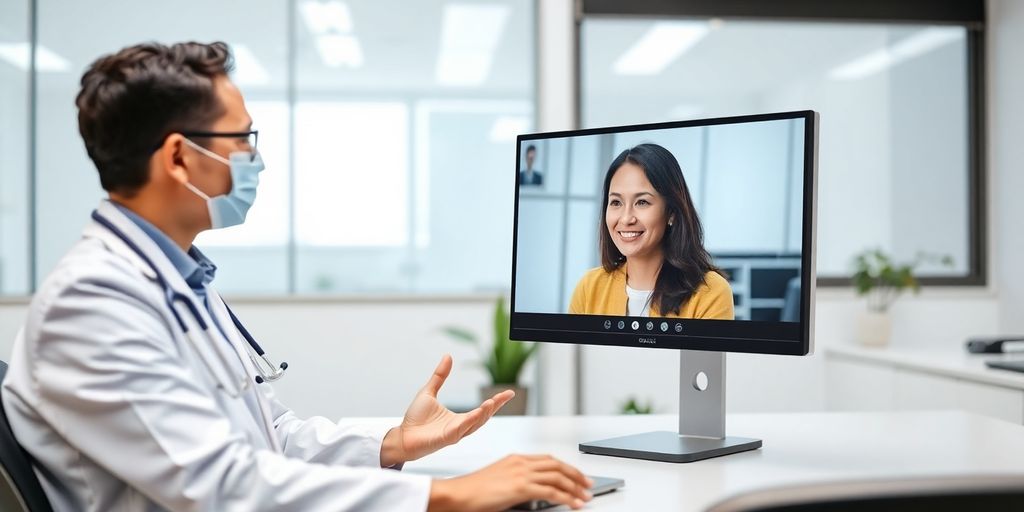
Telemedicine is really changing how healthcare is delivered, especially for people who can’t easily get to a doctor’s office. By 2025, we’re seeing even bigger improvements in telehealth trends, making it easier for everyone to get the care they need. Telemedicine is not just about video calls anymore; it’s becoming a comprehensive system that brings healthcare right to your home.
Improving Access to Specialists
One of the biggest advantages of telemedicine is that it connects patients with specialists they might not otherwise be able to see. If you live in a rural area or have a rare condition, getting to a specialist can be a real challenge. Telemedicine removes those barriers, allowing you to consult with experts from anywhere. This is especially important for conditions that require specialized knowledge or treatment.
Enhancing Patient Engagement
Telemedicine is also making it easier for patients to take an active role in their own care. Virtual visits can be more convenient and less stressful than traditional appointments, which means patients are more likely to show up and participate. Plus, with remote monitoring devices, doctors can keep track of your health data in real-time, allowing for more personalized treatment plans. This increased engagement can lead to better health outcomes and a stronger relationship between patients and their healthcare providers.
Cost-Effectiveness of Virtual Visits
Virtual visits are often more affordable than in-person appointments. You save on transportation costs, and you don’t have to take as much time off work. For healthcare systems, telemedicine can reduce overhead costs and improve efficiency. This can lead to lower healthcare costs for everyone, making quality care more accessible and sustainable.
Telemedicine is not just a trend; it’s a fundamental shift in how healthcare is delivered. It’s about using technology to make healthcare more accessible, affordable, and convenient for everyone. As technology continues to evolve, we can expect even more exciting advancements in telemedicine, further transforming the healthcare landscape.
Here’s a quick look at the potential cost savings:
| Benefit | Estimated Savings |
|---|---|
| Reduced Transportation | $50-100 per visit |
| Lower Facility Overhead | 15-20% |
| Increased Patient Volume | 10-15% |
Innovative Robotics in Surgical Procedures
Robotics are changing surgery. It’s not just about fancy tech; it’s about making operations more precise and less invasive. This means smaller scars, quicker recovery times, and potentially better outcomes for patients. I remember when robotic surgery was this futuristic idea, but now it’s becoming more common, and that’s a good thing.
Precision and Minimally Invasive Techniques
Robotic surgery allows surgeons to perform complex procedures with greater accuracy and control than traditional methods. The enhanced dexterity and visualization offered by robotic systems enable surgeons to access hard-to-reach areas with minimal damage to surrounding tissues. This leads to reduced pain, less blood loss, and shorter hospital stays for patients. It’s pretty amazing how these machines can translate a surgeon’s hand movements into incredibly precise actions inside the body. The use of AI in robotic surgery is also helping to automate some tasks, making the procedures even more efficient.
Robotic-Assisted Rehabilitation
Robotics aren’t just for the operating room; they’re also playing a big role in rehabilitation. Robotic devices can help patients regain movement and strength after surgery or injury. These devices provide targeted assistance and feedback, allowing patients to perform exercises more effectively. It’s like having a personal trainer that never gets tired. Plus, the data collected by these robots can help therapists track progress and adjust treatment plans accordingly.
Here’s a quick look at some benefits:
- Improved motor function
- Increased range of motion
- Faster recovery times
Future of Autonomous Surgery
The idea of fully autonomous surgery is still a ways off, but it’s something researchers are actively exploring. Imagine a robot that can perform an entire operation without human intervention. While that might sound like science fiction, there’s real potential for robots to assist with routine tasks, freeing up surgeons to focus on more complex aspects of the procedure. Of course, there are ethical and safety concerns to consider, but the potential benefits are huge. Think about it: increased efficiency, reduced errors, and greater access to surgical care, especially in remote areas. The benefits of telemedicine are also enhanced by these advancements.
The future of surgery is undoubtedly intertwined with robotics. As technology advances, we can expect to see even more sophisticated systems that can perform increasingly complex procedures with greater precision and efficiency. This will lead to better outcomes for patients and a more sustainable healthcare system.
Data Analytics Driving Healthcare Decisions
Data analytics is becoming a bigger deal in healthcare, and it’s not hard to see why. We’re talking about using data to make smarter choices, improve how hospitals run, and even predict who might get sick. It’s a lot more than just crunching numbers; it’s about turning information into action.
Predictive Analytics for Patient Outcomes
Predictive analytics can help identify patients at risk for certain conditions, enabling early intervention and personalized treatment plans. It’s like having a crystal ball that lets doctors see potential problems before they become serious. For example, algorithms can be built to anticipate adverse health events and transform the patient experience. This means better care, fewer complications, and a more proactive approach to health.
Big Data in Public Health
Big data is changing how we understand and tackle public health issues. By analyzing large datasets, we can spot trends, track outbreaks, and figure out the best ways to keep communities healthy. It’s not just about reacting to problems; it’s about preventing them in the first place.
Here’s how big data can help:
- Identifying disease hotspots
- Tracking the spread of infections
- Evaluating the effectiveness of public health programs
Big data offers a chance to understand health trends on a population level, leading to more effective public health strategies and better resource allocation.
Improving Operational Efficiency
Data analytics can also make hospitals and clinics run smoother. By looking at things like patient flow, staffing levels, and resource use, we can find ways to cut costs, reduce wait times, and improve the overall patient experience. It’s about making sure that healthcare resources are used in the best way possible. For example, AI initiatives can improve operational efficiency in areas like clinical denials management and radiology scheduling.
Here’s a simple example of how data analytics can improve operational efficiency:
| Area | Metric | Before Analytics | After Analytics | Improvement |
|---|---|---|---|---|
| Patient Flow | Average Wait Time (min) | 45 | 30 | 33% |
| Resource Use | Supply Waste (%) | 15 | 8 | 47% |
| Staffing | Overtime Hours | 100 | 75 | 25% |
Cybersecurity Innovations Protecting Patient Data
Cybersecurity is a big deal in healthcare right now. With everything going digital, hospitals and clinics are more open to cyberattacks. It’s not just about keeping patient info safe; it’s about keeping the whole system running smoothly. Think about it: if a hospital’s system gets hacked, doctors can’t access records, and things grind to a halt.
Advanced Threat Detection
Staying ahead of cyber threats means using some pretty smart tech. We’re talking about AI that can spot weird activity before it becomes a problem. It’s like having a super-attentive security guard who never sleeps. These systems constantly learn and adapt, so they can catch even the newest types of attacks. Cyber security solutions are improving, and that’s a good thing because the bad guys are getting smarter too.
Compliance with Regulations
There are rules about how healthcare providers need to handle patient data. HIPAA is the big one in the US, but other countries have their own laws. Following these rules isn’t just about avoiding fines; it’s about doing what’s right for patients. It means having systems in place to protect data and being ready to show that you’re following the rules.
Building Patient Trust
If patients don’t trust that their data is safe, they might not share important information with their doctors. And that can affect their care. Building trust means being open about how you’re protecting data and showing that you take security seriously. It’s about creating a culture of security throughout the organization.
Healthcare organizations are really starting to focus on cybersecurity. It’s not just an IT problem; it’s a patient care problem. The more connected we become, the more important it is to keep data safe and secure. It’s an ongoing challenge, but it’s one we have to face to keep healthcare moving forward.
Ambient Listening Technologies Enhancing Communication
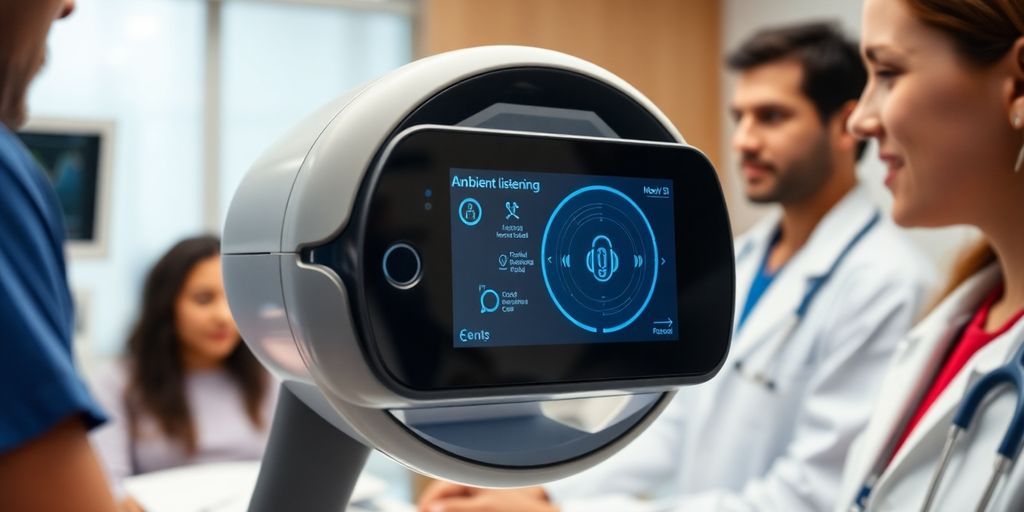
Ambient listening technologies are starting to make a real splash in healthcare. The idea is simple: use AI to listen in on conversations between patients and providers, then automatically generate notes and other documentation. It’s like having a super-efficient scribe in the room, but without the extra person. This tech promises to free up doctors and nurses to focus more on direct patient care, which is a win for everyone.
Reducing Documentation Burden
One of the biggest selling points of ambient listening is its potential to cut down on the amount of time clinicians spend on paperwork. Doctors often spend hours each day documenting patient encounters, time that could be better spent with patients. Imagine a world where visit notes are automatically generated, freeing up valuable time. This could lead to less burnout and more satisfied healthcare professionals. According to Microsoft’s talk, ambient intelligence is a transformative solution.
Improving Patient-Provider Interactions
With less time spent typing and clicking, providers can give patients their full attention. This can lead to better communication, stronger relationships, and ultimately, better care. Patients feel heard and understood, and providers can focus on truly listening to their concerns. It’s about bringing the human element back into healthcare.
Supporting Care Team Collaboration
Ambient listening can also improve communication and collaboration among members of the care team. By automatically generating summaries of patient encounters, it ensures that everyone is on the same page. This can be especially helpful in complex cases where multiple specialists are involved.
Think of it as a central hub of information, easily accessible to all those involved in a patient’s care. This can lead to better coordination and more effective treatment plans.
Here’s a quick look at how ambient listening might impact different areas:
- Reduced administrative costs
- Improved patient satisfaction scores
- Better clinical outcomes
It’s still early days for ambient listening, but the potential is definitely there. As the technology continues to develop, it could transform the way healthcare is delivered.
Looking Ahead: The Future of Healthcare Technology
As we look towards 2025, it’s clear that healthcare technology is on the brink of a major transformation. Innovations like AI, telehealth, and personalized medicine are not just buzzwords; they are reshaping how care is delivered. These advancements promise to make healthcare more efficient and accessible for everyone. Embracing these technologies will be essential for improving patient outcomes and ensuring that the future of healthcare is bright. The journey ahead may be challenging, but the potential benefits for patients and providers alike are worth the effort.
Frequently Asked Questions
What role does Artificial Intelligence play in healthcare?
Artificial Intelligence (AI) helps doctors diagnose diseases more accurately and quickly. It can analyze a lot of patient data to suggest treatment plans and predict health outcomes.
How are wearable technologies changing health monitoring?
Wearable technologies like smartwatches can track health data in real-time, giving people insights about their health and allowing doctors to monitor patients remotely.
What are the benefits of telemedicine?
Telemedicine makes it easier for patients to see specialists without traveling far. It also keeps patients engaged in their care and can save money on visits.
How is robotics improving surgery?
Robots in surgery allow for more precise and less invasive procedures. They can also help with rehabilitation after surgery, and in the future, they may perform surgeries on their own.
Why is data analytics important in healthcare?
Data analytics helps healthcare providers make better decisions by predicting patient outcomes and improving overall efficiency in healthcare operations.
How is patient data being protected from cyber threats?
Healthcare organizations are using advanced cybersecurity measures to detect threats and comply with regulations, which helps build trust with patients.


