
resources
Exploring the Biggest Cities of the World: A 2025 Perspective
17 Mar 2025

As we look towards 2025, the world’s biggest cities are evolving in fascinating ways. These urban centers are not just growing in size but also in complexity and character. From population shifts and economic changes to sustainability efforts and technological advancements, there’s a lot to unpack. This article takes a closer look at what makes the biggest cities of the world tick, highlighting trends and challenges that will shape their futures.
Key Takeaways
- The biggest cities of the world are projected to see significant population growth by 2025, driven by factors like migration and urbanization.
- Cultural diversity remains a key feature, making these cities vibrant and dynamic places to live and work.
- Sustainability initiatives are becoming central to urban planning, with cities focusing on green spaces and renewable energy.
- Technological advancements, particularly in smart city innovations, are reshaping how residents interact with their urban environments.
- Challenges like overpopulation and economic disparities are pressing issues that cities must address to ensure livability.
Population Projections For Major Urban Centers
Current Population Estimates
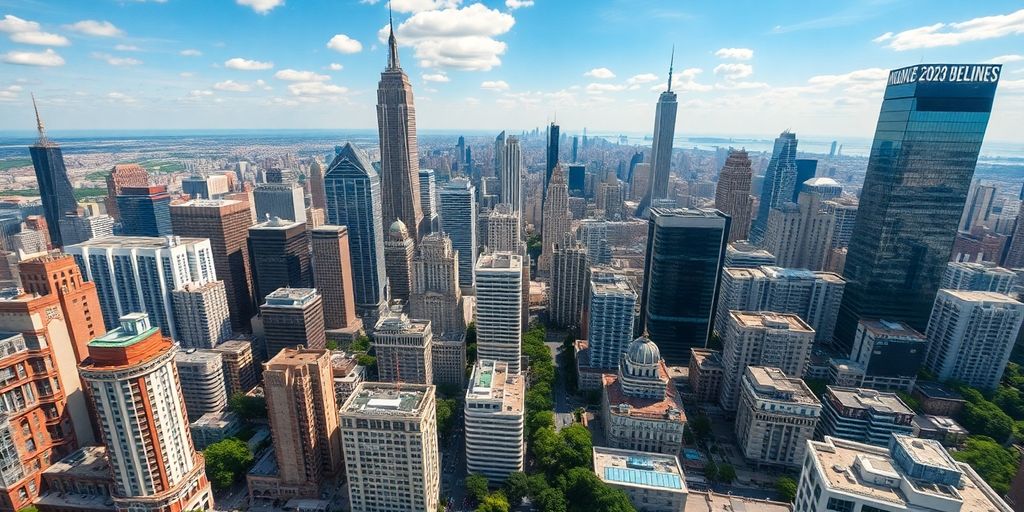
Okay, so let’s talk about how many people are living in the big cities right now. Getting an exact number is tricky, because things change fast. People move, birth rates go up and down, and sometimes the way a city defines its borders can change. But we can still get a pretty good idea. For 2025, estimates show that some urban areas are way bigger than others.
Here’s a quick look at some estimated populations for 2025:
- Tokyo: Around 36.4 million
- Delhi: Close to 29 million
- Shanghai: Over 26 million
These numbers are based on the latest data from the UN and other demographic research groups. It’s important to remember that these are just estimates, and the real numbers could be a bit different. But it gives you a sense of the scale we’re talking about.
Future Growth Trends
Where are cities headed in terms of population? Well, most projections show that urban areas will keep growing, especially in Asia and Africa. This growth isn’t just about more people being born; it’s also about people moving from rural areas to cities in search of jobs and better opportunities. This urban mobility solutions trend is expected to continue.
Here are a few things to keep in mind about future growth:
- Some cities will grow faster than others. It depends on things like economic development, political stability, and access to resources.
- Infrastructure will need to keep up. More people means more demand for housing, transportation, and services like water and electricity.
- Sustainability will become even more important. Cities will need to find ways to grow without harming the environment.
It’s not just about the numbers. It’s about how cities manage this growth and make sure everyone has a good quality of life. That means thinking about things like affordable housing, access to healthcare, and opportunities for education and employment.
Factors Influencing Population Changes
Lots of things can affect how a city’s population changes. Economic factors are huge. If a city has lots of jobs and opportunities, people will move there. Political stability is also important. People don’t want to live in places where there’s conflict or uncertainty. Environmental factors play a role too. Cities that are vulnerable to climate change or natural disasters might see people moving away. The U.S. metro areas are also experiencing population changes.
Here’s a quick rundown of some key factors:
- Economic opportunities: Cities with strong economies tend to attract more people.
- Political stability: People prefer to live in places where there’s peace and security.
- Environmental conditions: Climate change and natural disasters can cause people to move.
Key Characteristics Of The Biggest Cities
Cultural Diversity
Big cities are melting pots, right? You’ve got people from all over the globe crammed into one space, bringing their own languages, food, traditions, and perspectives. It’s what makes walking down the street an adventure. This mix creates a vibrant atmosphere where you can experience a little bit of everywhere without leaving town.
- Different ethnic neighborhoods.
- Tons of international restaurants.
- Festivals celebrating cultures from around the world.
It’s not always perfect, of course. Sometimes, this diversity can lead to tension, but overall, it’s a huge plus. It enriches the city’s character and makes it a more interesting place to live.
Economic Opportunities
One of the biggest draws of big cities is the job market. There are just way more opportunities compared to smaller towns. You’ve got major corporations, startups, and everything in between. Plus, certain industries tend to cluster in big cities, like finance in New York or tech in Silicon Valley.
- Higher salaries (usually).
- More diverse job options.
- Networking opportunities galore.
Infrastructure Development
To handle all those people and businesses, big cities need serious infrastructure. We’re talking about public transportation, roads, utilities, and all that stuff you don’t really think about until it breaks down. Good infrastructure is key to keeping a city running smoothly. Think about the Elizabeth Line expansion in London, it’s a great example of how cities are investing in connectivity.
| Infrastructure | Examples |
|---|---|
| Transportation | Subways, buses, trains, bike lanes |
| Utilities | Water, electricity, internet |
| Public Services | Hospitals, schools, emergency services |
Sustainability Initiatives In Urban Areas
It’s 2025, and cities are really stepping up their game when it comes to sustainability. It’s not just a buzzword anymore; it’s about making cities livable for the long haul. Think about it: cleaner air, less waste, and a smaller footprint. Here’s how they’re doing it:
Green Urban Planning
Okay, so green urban planning sounds fancy, but it’s actually pretty straightforward. It’s about designing cities with nature in mind. More parks, more trees, and buildings that don’t suck up all the energy. The goal is to create spaces where people and nature can coexist.
- Integrating green spaces into urban design.
- Promoting sustainable construction regulations.
- Creating pedestrian-friendly zones.
Renewable Energy Adoption
Fossil fuels? So last decade. Cities are switching to renewable energy sources like solar, wind, and geothermal. It’s not just about being eco-friendly; it’s also about energy independence and saving money in the long run. Plus, who doesn’t love the idea of powering their city with sunshine?
- Investing in solar panel installations on public buildings.
- Incentivizing homeowners to switch to renewable energy.
- Developing wind farms and geothermal plants near urban areas.
Waste Management Strategies
Trash. We all make it, but what happens to it? Well, cities are getting smarter about waste management. Think recycling programs, composting initiatives, and waste-to-energy plants. The idea is to reduce the amount of trash that ends up in landfills and turn waste into something useful.
- Implementing city-wide recycling programs.
- Promoting composting and organic waste collection.
- Investing in waste-to-energy technologies.
Cities are starting to see waste as a resource, not just something to get rid of. This shift in mindset is leading to some pretty innovative solutions.
Technological Advancements Shaping Cities
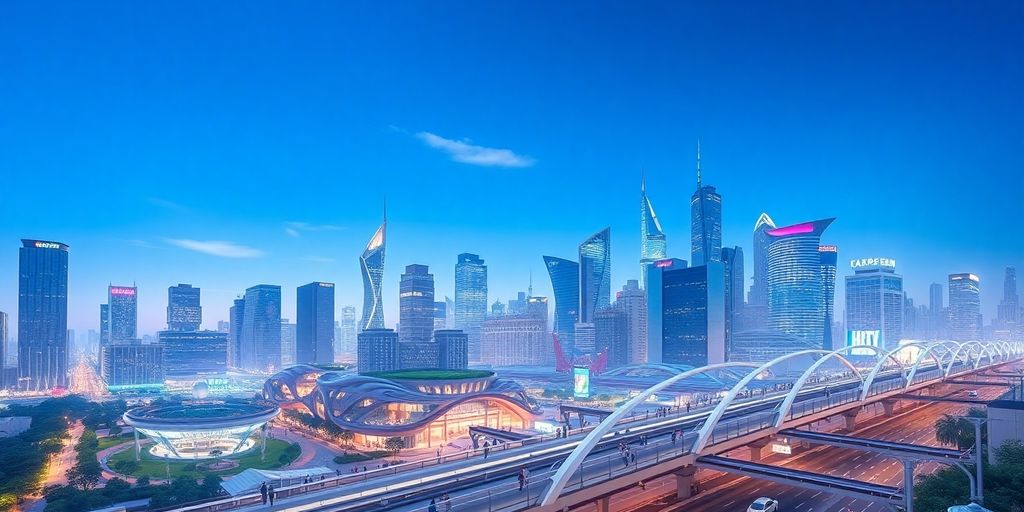
Cities in 2025 are becoming hubs of innovation, driven by technological progress that’s reshaping urban life. It’s not just about flashy gadgets; it’s about making cities more efficient, sustainable, and livable for everyone. Let’s take a look at some of the key areas where technology is making a real difference.
Smart City Innovations
Smart city initiatives are popping up everywhere, aiming to use data and technology to improve city services and the quality of life for residents. These innovations range from intelligent traffic management systems to connected public safety networks.
Here are a few examples:
- Smart Grids: Optimizing energy distribution and reducing waste.
- IoT Sensors: Monitoring air quality, traffic flow, and waste levels.
- Data Analytics Platforms: Providing insights for better decision-making by city officials.
The integration of these technologies allows cities to respond more effectively to the needs of their citizens, creating a more responsive and efficient urban environment. It’s about using data to make better decisions and improve the lives of people who live in the city.
Transportation Technologies
Transportation is a huge part of city life, and technology is changing how we get around. Think about it: electric vehicles, autonomous vehicles, and advanced public transit systems are all becoming more common. These advancements promise to reduce congestion, improve air quality, and make transportation more accessible for everyone. The rise of robotaxis is also changing the landscape.
Consider these points:
- Electric Vehicle Infrastructure: Expanding charging networks to support EV adoption.
- Autonomous Shuttles: Providing efficient and affordable transportation in urban areas.
- Real-Time Traffic Management: Optimizing traffic flow and reducing congestion.
Digital Infrastructure
Digital infrastructure is the backbone of any modern city. High-speed internet, 5G networks, and robust data centers are essential for supporting everything from remote work to online education. Cities that invest in digital infrastructure are better positioned to attract businesses, create jobs, and provide essential services to their residents. It’s about making sure everyone has access to the internet and the tools they need to succeed in the digital age.
Here’s a quick look at the key components:
- Fiber Optic Networks: Providing high-speed internet access to homes and businesses.
- 5G Connectivity: Enabling faster and more reliable wireless communication.
- Public Wi-Fi Hotspots: Offering free internet access in public spaces.
Challenges Faced By Large Cities
Overpopulation Issues
Overpopulation puts a strain on everything. Think about it: more people means more demand for housing, which drives up prices and can lead to overcrowding. It also impacts resources like water and energy. Managing this growth is a constant balancing act for city planners.
- Increased housing costs
- Strained public services
- Increased traffic congestion
Environmental Concerns
Big cities often struggle with pollution. Air quality can be poor due to traffic and industry, and waste management is a huge undertaking. Climate change adds another layer of complexity, with cities needing to adapt to rising sea levels and more extreme weather events. It’s a lot to handle. Cities like London are trying to lead the way with green initiatives, but there’s still a long way to go.
Cities are trying to become more sustainable, but it’s a slow process. There are so many existing systems in place that need to be updated or replaced, and that takes time and money. Plus, you have to get everyone on board, from residents to businesses, and that’s not always easy.
Economic Disparities
While cities can be hubs of economic opportunity, they often have significant income inequality. Some neighborhoods thrive while others struggle with poverty and lack of access to basic services. Addressing these economic disparities is crucial for creating a more equitable society.
- Unequal access to education
- Limited job opportunities in certain areas
- Disparities in healthcare access
Here’s a quick look at how some cities are changing in the rankings:
| City | Change in Rank |
|---|---|
| Portland | +40 |
| Calgary | +39 |
| Ottawa | +38 |
Comparative Analysis Of Global Cities
Quality Of Life Rankings
Okay, so when we talk about how good life is in different cities, it’s not just about how fancy things are. It’s a mix of stuff like how safe you feel walking around at night, how clean the air is, and how easy it is to get around. Cities that consistently rank high usually nail the basics: good healthcare, solid education, and reliable infrastructure.
- Access to quality healthcare services
- Availability of green spaces and recreational areas
- Efficient public transportation systems
It’s interesting to see how much perception plays a role. A city might have all the right ingredients, but if people don’t feel safe or happy there, it affects its ranking. It’s like that saying, "perception is reality".
Economic Performance Metrics
When we look at how well a city’s economy is doing, we usually check out things like job growth, how much people are earning, and how many new businesses are popping up. But it’s more than just numbers. A city’s economic health also depends on how diverse its industries are and how well it’s adapting to new technologies. For example, transport development strategies can significantly impact a city’s economic performance.
| Metric | Description |
|---|---|
| GDP Growth | Measures the rate at which a city’s economy is expanding. |
| Employment Rate | Indicates the percentage of the working-age population that is employed. |
| Foreign Direct Investment | Reflects the amount of investment flowing into a city from foreign sources. |
Cultural Influence
Cultural influence? That’s a tricky one. It’s not just about having a bunch of museums or theaters. It’s about how much a city’s ideas, trends, and arts affect the rest of the world. Think about cities that are fashion hubs, or places where new music scenes are born. Those cities have a certain something that draws people in and makes them cultural powerhouses. Cities like London and New York consistently rank high due to their cultural offerings and overall livability.
- Number of international events and festivals hosted
- Presence of world-renowned cultural institutions
- Diversity of artistic expression and innovation
Future Trends In Urban Development
Resilience And Adaptability
Cities are always changing, but the pace feels faster than ever. To thrive, cities need to be able to bounce back from shocks – think climate change, economic downturns, or even global pandemics. Resilience isn’t just about surviving; it’s about learning and growing stronger. This means cities need to be flexible in their planning and open to new ideas. For example, AI in urban planning can help cities better predict and respond to challenges.
Urban Mobility Solutions
Getting around a city can be a real headache. Traffic jams, crowded buses, and expensive parking are all too common. But things are changing. We’re seeing new approaches to urban mobility that could make getting around a lot easier. Think about it:
- More bike lanes and pedestrian-friendly streets
- Better public transportation systems, including light rail and bus rapid transit
- The rise of electric scooters and shared mobility services
- Self-driving vehicles (though that’s still a bit further out)
These solutions aim to reduce congestion, improve air quality, and make cities more accessible for everyone. It’s not just about speed; it’s about creating a more pleasant and sustainable urban experience. Cities like Barcelona and Madrid are already implementing green urban designs.
Community Engagement Strategies
Cities aren’t just collections of buildings and roads; they’re made up of people. And for a city to truly succeed, it needs to involve its residents in the planning process. Community engagement is all about giving people a voice in shaping their neighborhoods and their city as a whole. This can take many forms:
- Public forums and town hall meetings
- Online surveys and feedback platforms
- Community-led design workshops
- Participatory budgeting, where residents decide how to spend public funds
By involving residents in decision-making, cities can create more inclusive, equitable, and vibrant communities. It’s about building a sense of ownership and shared responsibility for the future of the city.
Wrapping Up Our City Exploration
As we look at the biggest cities in the world from a 2025 viewpoint, it’s clear that urban life is changing fast. Cities like Tokyo and New York are still at the top, but others are rising quickly. Places like Sydney and Berlin are showing us how important it is to be adaptable and sustainable. They’re not just about size anymore; they’re about livability and innovation. The challenges cities face, like climate change and economic shifts, are pushing them to rethink how they operate. In the end, the future of our cities will depend on how well they can balance growth with the needs of their residents. It’s an exciting time to watch these urban centers evolve.
Frequently Asked Questions
What are the largest cities in the world by population?
As of 2025, Tokyo, Japan, is the largest city with about 36.4 million people, followed by cities like Delhi, Shanghai, and São Paulo.
How is urban population growth predicted to change in the future?
Urban population growth is expected to continue, especially in developing countries, due to factors like migration and natural population increase.
What makes a city culturally diverse?
Cultural diversity in a city comes from having people from different backgrounds, languages, and traditions living together, which enriches the community.
What are some sustainability efforts cities are making?
Cities are focusing on green urban planning, using renewable energy, and improving waste management to become more sustainable.
How is technology changing urban living?
Technology is transforming cities through smart innovations like better public transport systems, improved internet access, and smart infrastructure.
What challenges do big cities face today?
Large cities deal with issues like overcrowding, environmental problems, and economic inequality, which can affect the quality of life for residents.


