
resources
Unveiling the Largest Cities in California by Population: A 2026 Snapshot
19 Apr 2026

California, a state teeming with diverse populations, exhibits fascinating demographic patterns regarding residential distribution. This comprehensive overview delves into the largest cities by population, offering a forward-looking perspective toward 2026. While many recognize the perennial urban giants, it's crucial to acknowledge the robust growth occurring in numerous other locales across the state. Ultimately, this compilation aims to illuminate where the majority of Californians reside, and what unique characteristics define these pivotal urban centers.
Key Takeaways
- Los Angeles maintains its position as California's most populous city, commanding a significant lead.
- San Diego and San Jose emerge as the subsequent major population centers.
- Northern California is home to influential hubs such as San Francisco and Oakland.
- Even Central California's agriculturally-rich areas, notably Fresno, are experiencing considerable growth.
- Southern California encompasses several large cities, including Long Beach, Anaheim, and Santa Ana, each possessing its own distinct character.
California's Population Centers: An Overview
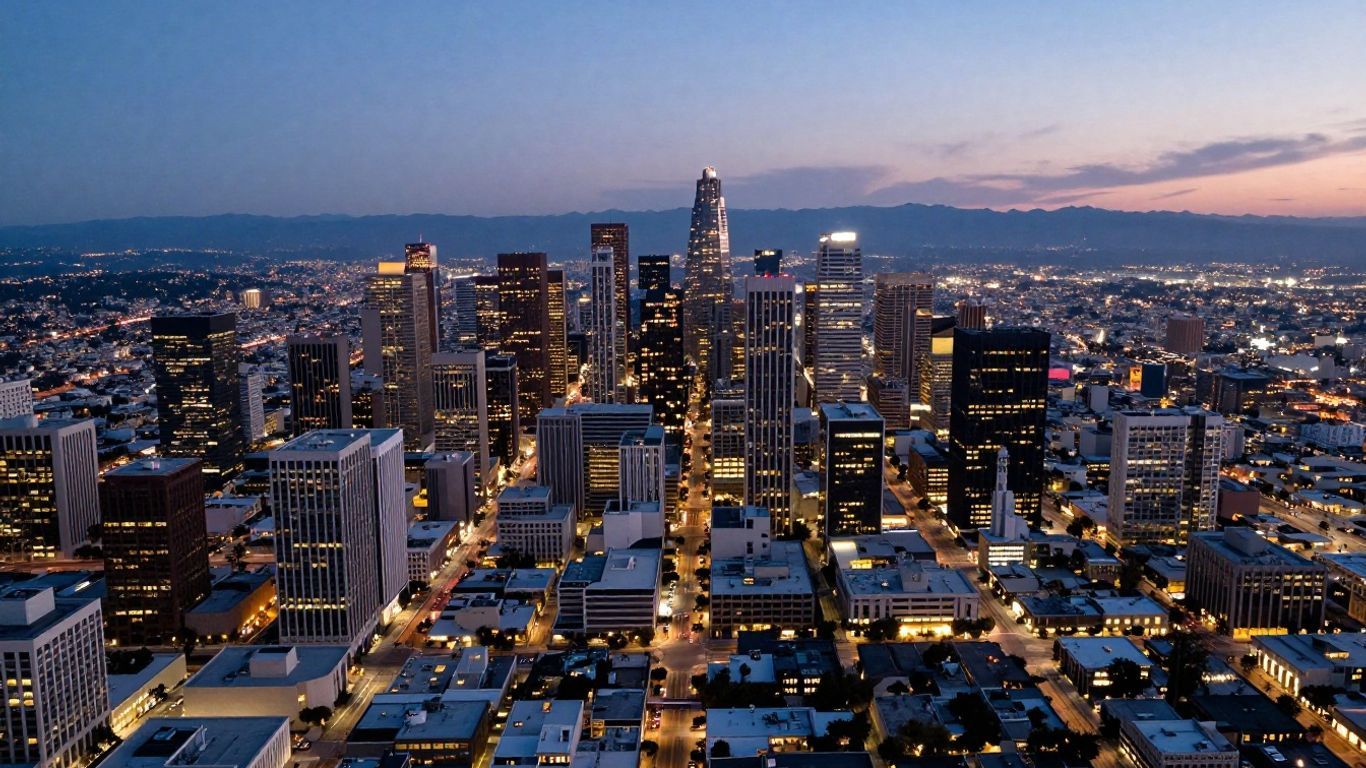
California, a state renowned for its diverse landscapes—from abundant sunshine and pristine beaches to majestic mountains—is fundamentally shaped by its vibrant urban centers. When discussing California's most significant population hubs, we're considering far more than mere geographical points. These are the dynamic epicenters where the majority of activity unfolds, where millions reside, labor, and collectively forge the state's future. This article endeavors to identify the largest cities by population as we approach 2026, offering insight into the communities that are profoundly defining the contemporary Californian experience.
Understanding California's Urban Landscape
California's urban tapestry is remarkably diverse, mirroring the expansive character of the state itself. One finds vast, sprawling metropolises dominating the southern regions, while the north features more compact, historically rich towns, with an impressive spectrum of variety spanning the entire state. These urban centers, mind you, transcend their role as mere residential zones; they are veritable crucibles where innovative ideas are born, where disparate cultures harmoniously converge, and where a substantial portion of the nation's economy receives considerable impetus. A thorough comprehension of these cities is, therefore, essential to grasping the intricate mechanisms that drive California's vitality.
Key Demographics of the Golden State
Before delving into the granular details of urban populations, it's beneficial to establish a foundational understanding of California's demographic landscape. As projected for early 2026, the state is anticipated to host well over 39 million residents. The median age hovers around 36.7 years, indicating a balanced populace comprising both younger generations and individuals with significant life experience. Financially, the state generally exhibits a robust economic profile, evidenced by a healthy median household income; however, significant variations persist across different locales, a common characteristic in any large state. Furthermore, housing costs remain a critical consideration, fluctuating considerably based on geographical location.
For a concise overview of the state's overarching statistics, consider the following:
- Population: Around 39.3 million
- Median Age: 36.7 years
- Median Household Income: Roughly $78,672
- Housing Costs: The median home price is about $538,500
- Population Density: About 252.4 people per square mile
Indeed, these figures provide a fundamental insight into the sheer scale and prevailing characteristics of California's diverse populace. They effectively establish the context for comprehending the growth drivers of specific cities and their overarching significance within the state.
Related Contents:
interactive cities in california
Methodology for Ranking Cities
So, how precisely did we determine the hierarchy of California's largest cities? Our approach relied on the most current population estimates projected for 2026. Crucially, our analysis concentrates exclusively on the population residing within official city limits, drawing data from authoritative sources and credible demographic forecasts. The paramount criterion considered was the aggregate number of individuals inhabiting each municipality. While broader metrics—such as metropolitan area size or economic output—undoubtedly hold importance, for the purposes of this particular ranking, we adhere strictly to the unadulterated count of residents within defined city boundaries. This meticulous methodology ensures a distinct portrayal of the primary population centers that fundamentally shape California's urban landscape.
The Golden State's Largest Metropolises
The Golden State proudly hosts some of the most iconic and densely populated urban centers across the United States. These aren't just cities; they are vibrant, dynamic engines of culture, innovation, and formidable economic activity—far more than mere population concentrations. In the following sections, we shall meticulously examine three of California's preeminent metropolises.
Los Angeles: The Southern California Giant
Los Angeles, often concisely referred to as LA, undeniably reigns as California's most populous city—and truly, a veritable global powerhouse. This is a metropolis that scarcely requires an introduction; it is globally celebrated for its inextricable link to the entertainment industry, with Hollywood serving as its luminous core. Yet, transcending the pervasive glitz and undeniable glamour, LA functions as a colossal economic engine for the entire West Coast, exerting substantial influence in international trade and global finance. Moreover, it serves as a vibrant nucleus for education and culture, proudly hosting a myriad of renowned institutions and captivating attractions alike.
Its sheer scale and remarkably diverse industries unequivocally establish it as a formidable force.
| Feature | Detail |
|---|---|
| Population (2026 est.) | Approximately 3.9 million |
| Key Industries | Entertainment, International Trade, Finance, Technology, Tourism |
| Notable Landmarks | Hollywood Sign, Griffith Observatory, Getty Center, UCLA, Walt Disney Concert Hall |
San Diego: Coastal Charm and Innovation
San Diego, gracefully situated in Southern California, is widely recognized for its stunning coastline, agreeable climate, and a robust presence in pivotal sectors such as biotechnology and defense. It serves as a paramount hub for military operations and advanced research, contributing substantially to the regional economy. The city further boasts a flourishing tourism industry, captivating visitors with its renowned zoo, the expansive Balboa Park, and its myriad of beautiful beaches. While San Diego undeniably offers a more relaxed cadence compared to the bustling energy of Los Angeles, it steadfastly retains its status as a significant epicenter for economic dynamism and groundbreaking innovation.
Key aspects of San Diego:
- Military and Defense: Home to an extensive naval presence and a multitude of defense contractors.
- Biotechnology: A burgeoning sector featuring numerous research institutions and pioneering companies.
- Tourism: Draws millions of visitors annually to its diverse attractions and pristine beaches.
- Quality of Life: Consistently lauded for its exceptional lifestyle and environmental quality.
San Diego's strategic positioning along the Pacific coast, coupled with its robust and diversified economic foundation, unequivocally positions it as a pivotal player within California's intricate urban landscape.
San Jose: The Heart of Silicon Valley
San Jose stands as the undisputed capital of Silicon Valley—a global epicenter for technological innovation and venture capital. As Northern California's most populous city, it fulfills a critical role within the state's economy. While its identity is deeply intertwined with the pervasive tech industry, San Jose concurrently boasts a rich cultural tapestry, diverse culinary experiences, and a plethora of parks and recreational areas. The city's sustained growth has been substantially fueled by the perpetual influx of talent and investment into the technology sector, thereby solidifying its status as a dynamic and forward-looking metropolis.
| Feature | Detail |
|---|---|
| Population (2026 est.) | Approximately 1.05 million |
| Key Industries | Technology, Software Development, Venture Capital, Manufacturing |
| Notable Landmarks | The Tech Interactive, San Jose Museum of Art, Winchester Mystery House |
Northern California's Major Urban Hubs
Northern California encompasses a distinguished collection of cities that function not merely as population centers, but rather as powerful engines of culture, technology, and commerce. Each of these urban areas possesses a distinct personality, contributing significantly to the state's multifaceted identity.
San Francisco's Distinctive Character
San Francisco, a city lauded on a global scale, serves as a dynamic hub for culture and groundbreaking innovation. Its iconic landmarks, such as the majestic Golden Gate Bridge, are instantly recognizable worldwide. Yet, San Francisco offers far more than picturesque panoramas; it stands as a pivotal player in global finance, cutting-edge technology, and robust tourism. The city is equally renowned for its remarkably varied neighborhoods, each imparting a unique ambiance—from the vibrant energy of the Mission District to the historical depths of Japantown. Truly, it is a locale of myriad facets and perpetual discovery.
Oakland's Economic Vitality
Nestled directly across the bay from San Francisco, Oakland functions as a pivotal center for the East Bay's cultural and economic life. Its strategic location positions it as a crucial nexus for West Coast trade, boasting one of the nation's busiest ports. Furthermore, Oakland possesses a profound connection to African-American culture and history, which intrinsically shapes its vibrant character. The city is home to significant organizations and an expanding roster of businesses, collectively contributing to its robust economy and energetic community life.
Key aspects of Oakland:
- Port Activity: A significant nexus for international maritime trade.
- Cultural Hub: A dynamic focal point for arts, music, and the rich tapestry of African-American heritage.
- Economic Diversity: Characterized by the presence of prominent corporations and a burgeoning business sector.
Sacramento: The State Capital's Influence
As the esteemed capital of California, Sacramento occupies a unique and significant position within the state's political and economic landscape. The city's historical lineage is intrinsically linked to the transformative Gold Rush era, and it continues to serve as the central locus for governmental operations. Moreover, Sacramento is steadily evolving into a prominent center for healthcare and higher education, boasting a number of well-regarded universities and advanced medical facilities. Its strategic placement within the fertile Sacramento Valley renders it vital for Northern California's continued growth, extending its influence far beyond its role as merely a political hub.
Sacramento's indelible role as the state capital profoundly shapes its ongoing development, consistently attracting a diverse workforce and seamlessly blending historical gravitas with modern progress. Furthermore, its geographical location establishes it as a vital nexus for transportation and economic activity across the entire region.
Below is a detailed overview of the estimated populations for these key Northern California cities as of 2026:
| City | Estimated Population (2026) | County |
|---|---|---|
| San Francisco | 827,526 | San Francisco |
| Oakland | 443,554 | Alameda |
| Sacramento | 535,798 | Sacramento |
Central California's Growing Cities
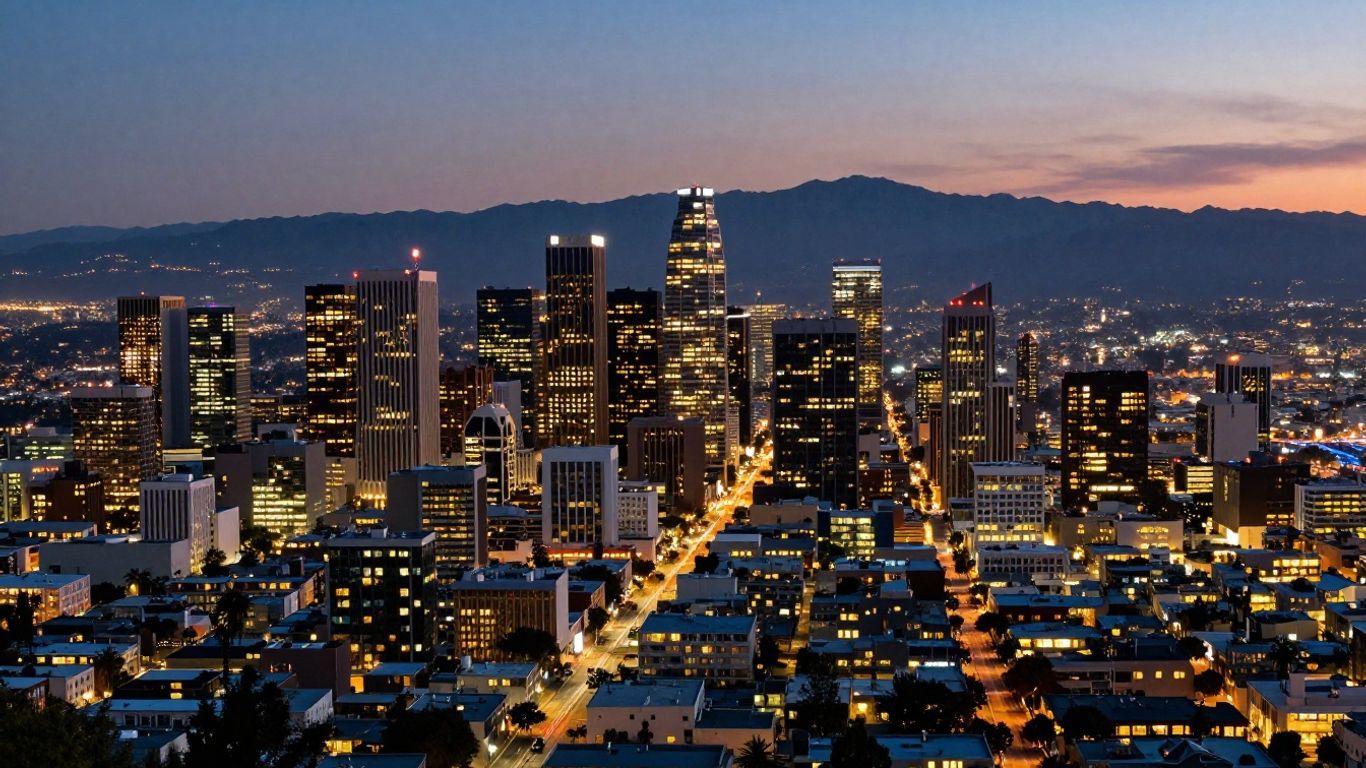
Central California, while perhaps not always commanding the same immediate spotlight as its more celebrated coastal counterparts, is undeniably a regional powerhouse demonstrating a consistent and impressive growth trajectory. Characterized predominantly by its profound agricultural heritage and strategic geographic positioning, cities within this region are steadily ascending in economic and cultural prominence. One can certainly discern a distinct ambiance here—more grounded, perhaps, and imbued with a palpable sense of community.
Fresno's Agricultural Significance
Fresno is centrally located within the San Joaquin Valley, serving as an indispensable leader in the agricultural sector. Indeed, it is widely acclaimed as the "Food Capital of the World," a designation readily understandable given the vast array of fruits, vegetables, and nuts cultivated in its environs, destined for markets both domestic and international. While this robust agricultural foundation forms the backbone of Fresno's economy, the city is not resting on its laurels. It is concurrently experiencing notable growth in logistics and healthcare, thereby fostering greater economic diversification. Moreover, when juxtaposed with its larger coastal counterparts, Fresno presents a more affordable cost of living—a significant allure for many seeking residence.
Undoubtedly, Fresno functions as a pivotal urban center for Central California, offering accessible education, a vibrant cultural scene, and a more economically viable lifestyle.
| Feature | Detail |
|---|---|
| Population (2026 est.) | Approximately 550,214 |
| Key Industries | Agriculture, Food Processing, Healthcare, Logistics |
| Notable Highlights | Forestiere Underground Gardens, Fresno Chaffee Zoo, near Yosemite/Sequoia |
Bakersfield's Economic Development
Bakersfield, another prominent city nestled in the heart of the San Joaquin Valley, maintains a profound connection to agriculture while simultaneously serving as a significant hub for the oil and gas industry. This intrinsic dual economic foundation bestows upon Bakersfield a unique economic resilience. The municipality is actively striving for further diversification, evidenced by strategic investments in sectors such as manufacturing and transportation. Bakersfield presents a more traditional Californian lifestyle, characterized by a robust work ethic and a palpable sense of community. Furthermore, its proximity to the southern Sierra Nevada mountains positions it as an appealing gateway to a wealth of outdoor recreational pursuits.
While Bakersfield's economy has historically been anchored by a robust foundation of agriculture and energy, the city is proactively exploring and investing in new avenues for sustained growth and comprehensive development, aiming to accommodate its burgeoning population.
Stockton: Inland Port and Community
Strategically situated along the San Joaquin River, Stockton's geographic location has historically been paramount for both shipping and agricultural endeavors. Presently, the city is experiencing a considerable influx of new residents. As one of the preeminent inland ports on the West Coast, it fulfills a vital role in the efficient transit of goods. The municipality is diligently focused on revitalizing its downtown core and augmenting its educational provisions, thereby establishing itself as an attractive locale for families and enterprises seeking a central California base.
- Major Industries: Key sectors encompass agriculture, maritime shipping, and comprehensive distribution networks.
- Character: Defined by a diverse populace, a historically significant downtown, and an expanding university footprint.
- Recent Trends: Current trajectories indicate consistent population expansion and notable investment in enhancing public amenities.
| Statistic | 2026 Value |
|---|---|
| Population | 320,470 |
| Median Income | $76,851 |
Southern California's Diverse Urban Areas
Southern California, a region frequently conjuring idyllic images of sun-drenched beaches and endless sunshine, also serves as home to a significant collection of cities that are intrinsically vital to the state's overarching character and economic prowess. Beyond the widely celebrated metropolises, this segment of California boasts a rich array of urban centers, each imbued with its own distinct ambiance and unique appeal.
Long Beach: Coastal Hub and Port City
Long Beach, strategically located within Los Angeles County, stands as a preeminent port city. Its economy is profoundly engaged in extensive trade and maritime shipping. However, its identity extends far beyond mere cargo operations; the city cultivates a vibrant arts scene, boasts an attractive waterfront, and is home to a remarkably diverse population. The renowned Aquarium of the Pacific serves as a significant draw, while the historic Queen Mary ship offers both unique hotel accommodations and a celebrated landmark. Long Beach also hosts high-profile events, such as an annual Grand Prix that garners considerable international recognition.
Anaheim's Entertainment Influence
Anaheim is perhaps most globally recognized as the distinguished home of Disneyland Resort—a colossal entertainment complex that annually draws millions of visitors. Nevertheless, Anaheim's essence transcends its identity as solely a theme park destination. It is, in fact, a bustling city characterized by a robust community spirit, a burgeoning business sector, and a diverse array of cultural attractions. The city additionally features the Honda Center, a prominent venue for major sports and concert events, alongside Angel Stadium, the revered home of the Los Angeles Angels baseball team.
Santa Ana's Community Focus
Serving as the county seat of Orange County, Santa Ana presents itself as a dynamic urban center endowed with significant historical depth and a potent cultural identity. It functions as a pivotal nexus for commerce, governmental administration, and transportation, notably hosting John Wayne Airport. The city is distinguished by its substantial Mexican American population and a vibrant cultural tapestry, showcased through institutions such as the Bowers Museum and the Discovery Science Center. Its downtown core masterfully preserves its historic charm while simultaneously serving as a modern business hub—a truly appealing blend of heritage and contemporary dynamism.
These particular cities, while perhaps not consistently commanding the same global recognition as metropolises like Los Angeles or San Diego, nonetheless constitute an integral component of Southern California's urban fabric. They collectively provide a compelling blend of employment opportunities, rich cultural experiences, and vibrant community life that profoundly characterizes the entire region.
Emerging and Mid-Sized California Cities
While media headlines frequently highlight California's colossal metropolises, an entirely distinct stratum of cities is quietly but significantly evolving, actively shaping the state's future trajectory. These municipalities, though perhaps not bearing the most globally recognized names, unequivocally merit closer examination. They are successfully attracting new residents and businesses alike, presenting a unique cadence of life, and consequently contributing their own distinct character to the rich tapestry of the Golden State.
Riverside: Inland Empire Growth
Situated immediately east of the expansive Los Angeles conurbation, Riverside has skillfully forged its own distinct identity. It is a city steeped in profound historical roots, notably initiating California's illustrious citrus industry many decades ago. Today, Riverside harmoniously blends that rich heritage with a vibrant collegiate atmosphere, largely attributable to the esteemed University of California, Riverside. One will observe nascent companies establishing their presence here, effectively attracting families and commuters who seek greater spaciousness without venturing excessively far from Southern California's myriad opportunities.
What precisely distinguishes Riverside?
- The University of California, Riverside campus serves as a pivotal nexus for advanced research and groundbreaking innovation.
- Abundant green spaces complement charming, historically preserved Spanish-style architecture.
- A vibrant arts scene, enriched by a calendar of regular cultural festivals.
Indeed, Riverside is steadily asserting itself as a pivotal contributor to the Inland Empire's ongoing expansion.
| Statistic | 2026 Value | |
|---------------|------------| |
| Population | 316,241 | |
| Median Income | $88,575 | |
Huntington Beach: Surf City USA
Huntington Beach is globally renowned for its iconic surf culture and sun-drenched beaches, a reputation that has fittingly earned it the moniker "Surf City USA." Here, the Pacific Ocean is undeniably central to the way of life, with the city regularly hosting prestigious events such as the U.S. Open of Surfing. Beyond its celebrated waves, it stands as a highly sought-after destination for tourism and hospitality, simultaneously providing an exceptional quality of life for its residents.
Distinguishing features of Huntington Beach include:
- Expansive stretches of public beaches, ideal for surfing, swimming, or serene relaxation.
- A steadfast commitment to conserving local natural habitats and diverse wildlife.
- A dynamic calendar of year-round events, fostering a vibrant and engaged community atmosphere.
| Statistic | 2026 Value | |
|---------------|------------| |
| Population | 196,010 | |
| Median Income | $103,838 | |
Modesto's Expanding Opportunities
Journeying further north into the heart of California's Central Valley, one encounters Modesto, another burgeoning mid-sized city witnessing substantial growth. While it remains a significant agricultural center, it is simultaneously engaged in a concerted effort to diversify its economic base. Modesto presents a distinctly more affordable cost of living in comparison to its coastal counterparts, rendering it particularly appealing to both families and enterprises. The municipality is actively committed to enhancing its downtown district and public spaces, with the strategic aim of fostering an even more vibrant community for its residents.
Modesto is proactively striving to achieve a harmonious balance between its enduring agricultural heritage and burgeoning new economic ventures, consequently establishing itself as an increasingly attractive locale for both residence and employment within the Central Valley.
These aforementioned cities, though perhaps not commanding the same global recognition as behemoths like Los Angeles or San Francisco, nonetheless prove vital to California's intricate overall landscape. They collectively symbolize regions of considerable growth, dynamic economic development, and robust community building, thereby presenting a diverse array of living experiences across the Golden State.
Wrapping Up California's Population Leaders
So, there you have it—a comprehensive overview of California's most populous cities as projected for 2026. From the colossal metropolis of Los Angeles to the more modest, yet burgeoning, urban centers highlighted on this list, each city imbues the Golden State with its own distinct character and vibrant energy. Whether one's interest lies in areas offering abundant career prospects, rich cultural institutions, or simply an exceptional quality of life, California's urban landscape is remarkably diverse. A deeper understanding of these demographic shifts and municipal specifics, therefore, significantly aids in comprehending evolving residential preferences across this perpetually dynamic state.
Frequently Asked Questions
What are the top 3 biggest cities in California by population?
The three preeminent cities in California, ranked by their respective populations, are Los Angeles, San Diego, and San Jose. These metropolises are not only immense in scale but also profoundly significant for commerce, recreation, and cultural life across the state.
How do they figure out the population numbers for these cities?
The population figures are derived from official censuses and meticulously calculated demographic projections, typically compiled by authoritative bodies such as the U.S. Census Bureau. Efforts are consistently made to maintain the utmost currency of these statistics, thereby accurately reflecting contemporary residential distributions.
Are there lots of cities in California?
Indeed, California boasts an extensive network of cities and towns. One can discover well over 1,500 distinct municipalities, ranging from colossal urban centers to quaint villages, each possessing its own unique character and resident count.
What makes Los Angeles so special compared to other California cities?
Los Angeles stands as California's most densely populated city, globally recognized for its profound association with Hollywood and the entertainment industry—encompassing film and music. It further operates as an immense commercial hub on the West Coast, distinguished by its exemplary educational institutions and a wealth of captivating attractions.
What is Silicon Valley, and which city is its main hub?
Silicon Valley denotes a globally renowned region densely concentrated with pioneering technology companies. San Jose is widely regarded as the principal epicenter of Silicon Valley, largely due to the significant presence of numerous major technology corporations' headquarters within its boundaries.
Besides the really big cities, are there other important cities in California?
Absolutely. Beyond the most prominent urban centers, cities such as San Francisco—celebrated for its distinctive landmarks and diverse cultural tapestry—and Sacramento, the esteemed state capital, hold immense significance. Furthermore, burgeoning cities like Fresno in Central California and Long Beach in Southern California are increasingly pivotal contributors to the state's multifaceted urban landscape.


