


resources
Exploring Exciting Centre for Social Innovation Jobs in 2025
18 Mar 2025

As we look towards 2025, the landscape of centre for social innovation jobs is evolving rapidly. These roles are not just about filling positions; they are about driving meaningful change and making a positive impact in communities. With a variety of job types available, including program management and community engagement, there are ample opportunities for those passionate about social innovation. This article will explore the different roles, salary expectations, essential skills, and future trends in this exciting field.
Key Takeaways
- Centre for social innovation jobs focus on creating positive societal change.
- Roles vary from program managers to community animators, each with unique responsibilities.
- Salaries in this sector are influenced by experience, location, and role specialization.
- Key skills include strong communication, event management, and creative problem-solving.
- The future of social innovation employment will be shaped by technology and sustainability efforts.
Understanding Centre For Social Innovation Jobs
Overview of Job Roles
So, you’re curious about jobs at the Centre for Social Innovation (CSI)? Cool! Basically, these roles are all about making a positive impact. You’ll find people working on everything from managing programs to coordinating events, and even folks focused on community building. It’s a mixed bag, but the common thread is a passion for social change. Think of it as a place where your job can actually make a difference. The CSI mission is to catalyze, inspire and support new ideas that are making positive change in the world.
Importance of Social Innovation
Why is social innovation even a thing? Well, traditional approaches don’t always cut it when tackling complex problems like poverty, climate change, or inequality. Social innovation is about finding new, creative solutions that are more effective, efficient, and sustainable. It’s about thinking outside the box and coming up with ideas that can truly transform communities. It’s not just about doing good; it’s about doing good better.
Key Skills Required
Okay, so what do you need to actually do these jobs? Here’s a quick rundown:
- Communication: You’ve gotta be able to talk to people, write clearly, and present ideas in a way that makes sense.
- Collaboration: Social innovation is a team sport. You’ll be working with diverse groups, so being a good collaborator is key.
- Problem-solving: Things don’t always go as planned. You need to be able to think on your feet and find creative solutions to challenges.
Having a background in social sciences, business, or a related field can be helpful, but it’s not always required. A genuine passion for social change and a willingness to learn are often just as important.
Types of Positions Available
So, you’re thinking about working at a Centre for Social Innovation? That’s awesome! Let’s look at some of the roles you might find. It’s not just about having a job; it’s about finding a place where you can actually make a difference. Here’s a breakdown of some common positions:
Program Manager Roles
Program Managers are basically the glue that holds projects together. They oversee the planning, execution, and evaluation of various social initiatives. Think of them as conductors of an orchestra, making sure everyone is playing the right tune. Their responsibilities often include:
- Developing project proposals and budgets
- Coordinating with different teams and stakeholders
- Monitoring project progress and making adjustments as needed
- Writing reports and presenting findings to funders and the community
Program Managers need to be organized, detail-oriented, and have strong leadership skills. They also need to be passionate about social change and able to work collaboratively with diverse groups of people.
Community Animator Opportunities
Community Animators are all about getting people involved and creating a sense of belonging. They work directly with communities to identify needs, develop solutions, and build relationships. It’s a very hands-on role that requires a lot of energy and enthusiasm. You might find them:
- Organizing community events and workshops
- Facilitating discussions and meetings
- Connecting residents with resources and services
- Supporting community-led projects
Event Coordination Positions
Events are a big part of raising awareness and bringing people together in the social innovation world. Event Coordinators handle all the logistics, from finding venues to managing registration to making sure the coffee is hot. If you’re good at planning and have an eye for detail, this could be a great fit. The Program Manager for Impact Events role is a good example. Key tasks include:
- Planning and organizing events of all sizes
- Managing budgets and timelines
- Coordinating with vendors and speakers
- Promoting events and managing registration
Here’s a quick look at the skills often sought for event roles:
| Skill | Importance | Example |
|---|---|---|
| Budget Management | High | Tracking expenses, negotiating contracts |
| Vendor Coordination | High | Managing caterers, A/V technicians |
| Marketing & Promotion | Medium | Social media, email campaigns |
| Problem-Solving | High | Handling unexpected issues on-site |
| Communication (Written) | Medium | Creating event descriptions, writing emails |
Salary Expectations in 2025
It’s always good to know what you can expect to earn. Let’s break down the salary landscape for Centre for Social Innovation (CSI) jobs in 2025.
Average Salary Ranges
Okay, so what’s the ballpark figure? Salaries at the CSI can vary quite a bit depending on the role, your experience, and the specific organization. However, we can look at some general ranges. Entry-level positions might start around $45,000 to $55,000 annually. Mid-level roles, like program managers or community animators with a few years of experience, could see salaries between $60,000 and $80,000. Senior positions, of course, command higher pay, potentially exceeding $90,000 or more. Keep in mind that these are just estimates, and actual salaries can differ.
Factors Influencing Salaries
Several things can affect your salary. Experience is a big one – the more you have, the more you’re likely to earn. Education and specific skills also play a role. For example, if you have a master’s degree in social work or a related field, or if you have specialized skills in event management or fundraising, you might be able to negotiate a higher salary. The size and financial stability of the organization also matter. Larger, more established organizations often have more resources to pay higher salaries. Location can also be a factor, with salaries in major metropolitan areas generally being higher to account for the higher cost of living.
Comparative Analysis with Other Sectors
How do CSI salaries stack up against other sectors? Well, it’s important to be realistic. Non-profit and social innovation jobs often don’t pay as much as similar roles in the for-profit sector. However, many people are drawn to these jobs because of the mission and the opportunity to make a difference. Compared to other non-profits, CSI salaries are generally competitive, especially for organizations of similar size and scope. You might find that government jobs or positions in larger foundations offer higher salaries, but the work at the CSI can be more dynamic and entrepreneurial. It’s all about weighing your priorities and what’s most important to you in a job.
It’s worth noting that many CSI jobs come with benefits beyond just salary. These might include health insurance, paid time off, professional development opportunities, and the chance to work on meaningful projects. These benefits can add significant value to your overall compensation package.
Here’s a quick comparison table:
| Sector | Example Role | Estimated Salary Range (2025) |
|---|---|---|
| Centre for Social Innovation | Program Coordinator | $50,000 – $65,000 |
| Non-Profit (General) | Community Outreach | $40,000 – $60,000 |
| Government (Social Work) | Social Worker | $55,000 – $75,000 |
| For-Profit (Consulting) | Management Consultant | $70,000 – $100,000+ |
Remember to use tools like an income tax calculator to understand your net pay.
Skills That Stand Out

Communication and Networking
In the world of social innovation, it’s not just about having great ideas; it’s about sharing them effectively and building strong connections. Exceptional communication skills are key for conveying your vision, whether you’re writing a grant proposal or presenting to potential partners. Networking is equally important. It’s about building relationships with people who can help you achieve your goals, and who you can help in return. Think of it as creating a web of support and collaboration.
Event Management Expertise
Events are a powerful tool for raising awareness, building community, and driving change. But a poorly managed event can do more harm than good. Event management isn’t just about logistics; it’s about creating an experience that inspires and engages people. It involves everything from planning and budgeting to marketing and execution. It also means being able to think on your feet and solve problems as they arise. You need to be detail-oriented, organized, and able to manage event budgets effectively.
Creative Problem Solving
Social innovation is all about tackling complex problems in new and innovative ways. That means you need to be a creative problem solver. This involves thinking outside the box, challenging assumptions, and being willing to experiment. It also means being able to analyze problems from different perspectives and come up with solutions that are both effective and sustainable. It’s about finding opportunities where others see obstacles. The Future of Jobs Report 2025 emphasizes the growing need for such skills.
Creative problem-solving isn’t just about coming up with new ideas; it’s about implementing them effectively. It requires a combination of creativity, critical thinking, and practical skills. It’s about being able to turn your ideas into reality and make a real difference in the world.
The Role of Community in Social Innovation
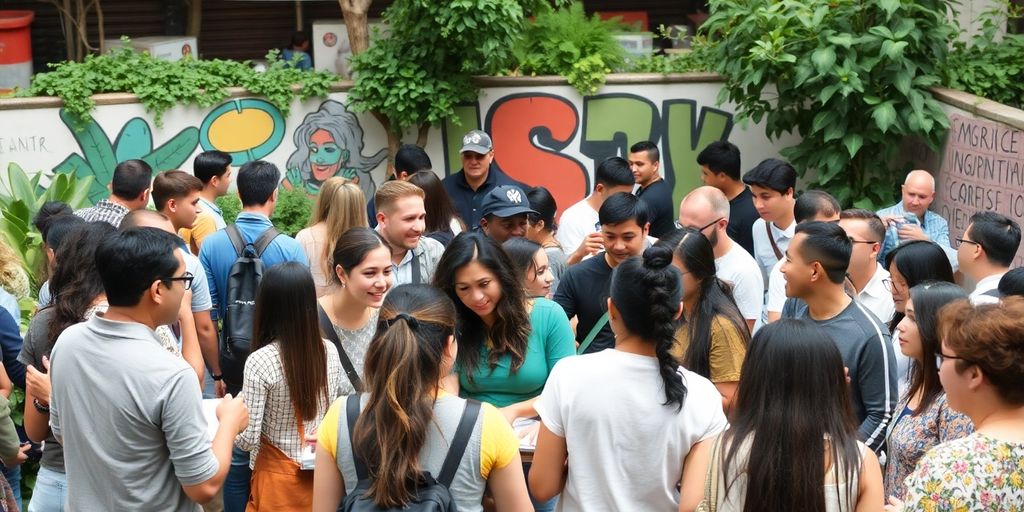
Social innovation isn’t a solo act; it’s a group effort. It thrives when people come together, share ideas, and work towards common goals. Think of it like this: one person might have a great idea, but it takes a community to turn that idea into something real and impactful. It’s about more than just individual brilliance; it’s about collective action.
Building Networks and Partnerships
Building strong networks is super important. It’s about connecting with people who have different skills, experiences, and perspectives. These connections can lead to new opportunities, resources, and collaborations. Think of these networks as support systems that help social innovators overcome challenges and achieve their goals.
Here’s a quick look at how networks help:
- Sharing knowledge and best practices
- Accessing funding and resources
- Expanding reach and impact
- Gaining diverse perspectives
Engaging with Local Communities
Social innovation should always be rooted in the needs and aspirations of the local community. It’s about listening to what people want and involving them in the design and implementation of solutions. This ensures that the solutions are relevant, effective, and sustainable. Community Animators catalyze innovation by connecting people and ideas.
Impact of Collaboration
Collaboration amplifies the impact of social innovation. When people work together, they can achieve more than they could alone. It’s about pooling resources, sharing risks, and leveraging each other’s strengths. This collaborative approach can lead to more creative, effective, and sustainable solutions.
Collaboration isn’t always easy. It requires trust, communication, and a willingness to compromise. But the rewards are well worth the effort. When people come together with a shared purpose, they can achieve amazing things.
Future Trends in Social Innovation Employment
Emerging Job Roles
The social innovation sector is always changing, and that means new job roles are popping up all the time. We’re seeing a rise in positions focused on data analysis for social impact, helping organizations measure and improve their effectiveness. There’s also a growing need for sustainability specialists who can guide social enterprises in adopting environmentally friendly practices. Plus, with the increasing focus on digital solutions, roles like UX designers and community managers are becoming more common in the social innovation space. It’s an exciting time to be involved, with opportunities to shape the future of work and social change.
Technological Advancements
Technology is changing how social innovation works. Think about AI, blockchain, and virtual reality. These aren’t just buzzwords; they’re tools that can help social enterprises reach more people, manage resources better, and create new solutions to old problems. For example, AI can help analyze data to identify communities in need, while blockchain can ensure transparency in supply chains. The rise of remote work and digital collaboration platforms also means that social innovators can connect and work together across geographical boundaries. This opens up new possibilities for global impact and knowledge sharing. The future of jobs report will likely highlight these trends.
Sustainability and Social Impact
Sustainability isn’t just a trend; it’s a core value for many social enterprises. People want to work for organizations that are making a positive difference in the world, and that includes protecting the environment. This means there’s a growing demand for professionals who can integrate sustainability into every aspect of a social enterprise, from its operations to its products and services. We’re talking about roles like circular economy specialists, waste reduction managers, and renewable energy advocates. Social enterprises that prioritize sustainability are not only attracting top talent but also building more resilient and impactful businesses.
Social innovation is increasingly intertwined with environmental stewardship. Organizations are recognizing that addressing social challenges often requires tackling environmental issues simultaneously. This integrated approach is driving demand for professionals who can bridge the gap between social and environmental impact, creating holistic solutions that benefit both people and the planet.
Here’s a quick look at how sustainability is impacting the sector:
- Increased focus on measuring social and environmental impact.
- Growing demand for eco-friendly products and services.
- More collaboration between social enterprises and environmental organizations.
Navigating the Job Application Process
Crafting a Compelling Resume
Okay, so you’re ready to apply for that dream job at the Centre for Social Innovation. First things first: your resume. It’s not just a list of what you’ve done; it’s your story. Think of it as your personal marketing document.
- Start with a strong summary: Ditch the generic objective statement. Instead, write a brief summary highlighting your key skills and what you bring to the table. Tailor it to each specific job. For example, if you’re applying for a Social Innovation Analyst position, emphasize your analytical abilities and passion for social impact.
- Quantify your achievements: Don’t just say you “managed a project.” Say you “managed a project that increased community engagement by 30%.” Numbers speak volumes.
- Use action verbs: Instead of “responsible for,” try “led,” “developed,” or “implemented.” It makes you sound proactive and engaged.
Remember, your resume is often the first impression you make. Make it count. Proofread it multiple times, and ask a friend to take a look too. Typos are a big no-no.
Preparing for Interviews
Interviews can be nerve-wracking, but preparation is key. It’s not just about answering questions; it’s about showing them who you are and why you’re the perfect fit.
- Research the organization: Know their mission, their values, and their recent projects. Show that you’re genuinely interested in what they do.
- Practice the STAR method: When answering behavioral questions (e.g., “Tell me about a time you failed”), use the STAR method: Situation, Task, Action, Result. It helps you structure your answers and provide concrete examples.
- Prepare questions to ask: Asking thoughtful questions shows that you’re engaged and curious. It’s also a chance to learn more about the role and the organization.
Leveraging Online Platforms
In today’s job market, online platforms are your best friend. They’re not just for finding job postings; they’re also for networking and building your professional brand.
- LinkedIn is your friend: Update your profile, connect with people in the field, and join relevant groups. Engage in conversations and share your insights.
- Use job boards strategically: Don’t just apply for everything you see. Tailor your application to each specific job and highlight the skills and experience that are most relevant.
- Network, network, network: Attend online events, join webinars, and reach out to people who work at the Centre for Social Innovation. Building relationships can open doors you never knew existed. Networking is a game changer.
| Platform | Use | Tips Normal
Final Thoughts on Centre for Social Innovation Jobs in 2025
As we look ahead to 2025, the Centre for Social Innovation stands out as a vibrant hub for those passionate about making a difference. With a variety of roles that cater to different skills and interests, there’s something for everyone who wants to contribute to social change. Whether you’re drawn to event management, community building, or program development, opportunities abound. The Centre not only supports innovative ideas but also fosters a community of like-minded individuals eager to collaborate and create impact. If you’re considering a career in this field, now is the time to explore what the Centre has to offer and how you can be part of this exciting journey.
Frequently Asked Questions
What types of jobs are available at the Centre for Social Innovation?
The Centre for Social Innovation offers various roles, including Program Managers, Community Animators, and Event Coordinators.
Why is social innovation important?
Social innovation helps solve social problems and creates positive changes in communities, making the world a better place.
What skills do I need for a job in social innovation?
Key skills include good communication, teamwork, event planning, and the ability to think creatively to solve problems.
What can I expect to earn in a social innovation job in 2025?
Salaries for these positions typically range from $65,000 to $80,000, depending on the role and experience.
How can I prepare for a job application in this field?
Make a strong resume, practice for interviews, and use online job platforms to find opportunities.
What trends are shaping social innovation jobs in the future?
Emerging roles, new technologies, and a focus on sustainability are key trends that will influence social innovation jobs.


