


resources
Exploring City Populations in the UK: A Comprehensive Guide for 2025
18 Mar 2025

Have you ever thought about how fast cities in the UK are growing? It’s a mix of excitement and challenges. From bustling London to vibrant Manchester, each city has its own story to tell. In this guide, we’ll look at what’s driving these population changes, the impact on local life, and what the future might hold for city populations in the UK by 2025.
Key Takeaways
- UK cities are experiencing significant population increases due to migration and high birth rates.
- Economic opportunities in urban areas attract diverse groups, enriching local culture.
- Urban growth brings challenges like housing shortages and pressure on infrastructure.
- Government policies are vital for managing city growth sustainably.
- Understanding population trends is essential for improving urban living conditions.
Understanding Population Dynamics in UK Cities
Let’s talk about what’s going on with city populations in the UK. It’s not just about numbers going up; it’s about why they’re going up and what that means for everyone. We’ll look at the big factors at play, how people moving around affects things, and what it all means for the environment. It’s a pretty complex picture, but understanding it is key to planning for the future.
Factors Influencing Urban Growth
So, what makes cities grow? It’s a mix of things, really. Job opportunities are a big draw; cities tend to have more diverse and higher-paying jobs than rural areas. Plus, things like good schools, hospitals, and cultural attractions play a role. And don’t forget government policies – things like housing regulations and transportation investments can really shape how a city grows. It’s all connected.
Migration Patterns and Their Effects
People moving in and out – that’s migration, and it’s a huge deal for UK cities. People come from other parts of the UK, and from all over the world, looking for better lives. This brings new ideas and skills, which is great for the economy and culture. But it also means cities need more housing and services. Making sure everyone integrates well is super important. Understanding migration patterns is key to understanding population changes.
Environmental Sustainability Concerns
More people means more pressure on the environment, plain and simple. More waste, more energy use, more strain on resources. Cities need to find ways to grow without wrecking the planet. That means things like green buildings, recycling programs, and protecting green spaces. It’s a tough balancing act, but it’s essential for the long-term health of our cities.
Cities are growing, and that growth needs to be managed in a way that’s good for everyone. It’s not just about building more houses; it’s about creating communities where people can thrive, while also protecting the environment. It’s a big challenge, but it’s one we need to tackle head-on.
Comparative Analysis of Population Trends Across UK Cities
London: A Case Study in Rapid Growth
London is a classic example of what happens when a city grows fast. It’s like a magnet pulling in young workers and people from other countries because it’s a big deal in the business world. This big increase in people brings good things and bad things. On one hand, it helps the economy and makes the city more diverse. On the other hand, it puts a strain on housing, transportation, and services, so the city needs to plan carefully. Understanding London’s rapid growth is key to understanding the UK’s urban challenges.
Regional Differences in Population Dynamics
If you look around the UK, you’ll see that different cities are growing in different ways. For example, Manchester and Birmingham are getting bigger at a steady pace, but Liverpool and Glasgow aren’t changing as much. These differences often have to do with what kind of jobs are in the area, what happened in the past, and what the local government is doing. Here’s a quick look at some numbers:
| City | Population | Population Density (people/km²) |
|---|---|---|
| London | 9.0 million | 5,000 |
| Birmingham | 1.2 million | 3,900 |
| Glasgow | 630,000 | 3,400 |
Demographic Changes Over Time
The people living in UK cities are always changing. Things like people getting older, how many babies are born, and how long people live all play a role. You’ll often find younger people in cities because they’re looking for jobs and a certain lifestyle. Because of these changes, cities need to adapt to make sure they have what different age groups need. It’s really important to understand these demographic shifts if we want to plan and build cities where people want to live.
The way people are changing and moving into UK cities shows that we need to come up with new ways to plan our cities. Cities need to find a balance between growing and staying sustainable so that everyone can have a good life.
Economic Impact of Population Growth in Major UK Cities
Key Industries Driving Urban Economies
Okay, so, big cities in the UK? They’re not just places where people live; they’re also economic engines. London, for example, is a huge deal as a global financial hub. It pulls in businesses from everywhere. Other cities, like Manchester and Birmingham, have their own strengths, like tech and manufacturing. Population growth? It can really boost these industries by bringing in more workers and creating more demand for goods and services. But, it also means cities need to keep investing in education and training to make sure people have the skills these industries need. Understanding the economic landscape is key.
London’s Role as a Global Financial Hub
London is a major player in the world of finance. It’s home to tons of international banks, insurance companies, and investment firms. The city’s population growth has helped it stay competitive by providing a big pool of skilled workers. But, this growth also puts pressure on the city’s infrastructure and housing market. To stay on top, London needs to keep attracting talent and investment while also dealing with the challenges that come with being a popular place to live and work.
Regional Economic Variations
Not all UK cities are the same when it comes to their economies. Some are growing faster than others, and they all have different strengths. For example:
- Manchester is becoming a big tech hub.
- Birmingham has a strong manufacturing sector.
- Smaller cities might focus on tourism or specialized industries.
Population growth affects these regional economies in different ways. Some cities might see a boom in certain sectors, while others might struggle to keep up. It’s important for policymakers to understand these differences and create strategies that support growth in all regions.
The economic impact of population growth is complex. It’s not just about more jobs and more money. It’s also about making sure everyone benefits from that growth and that cities remain great places to live.
Future Projections for City Populations in the UK
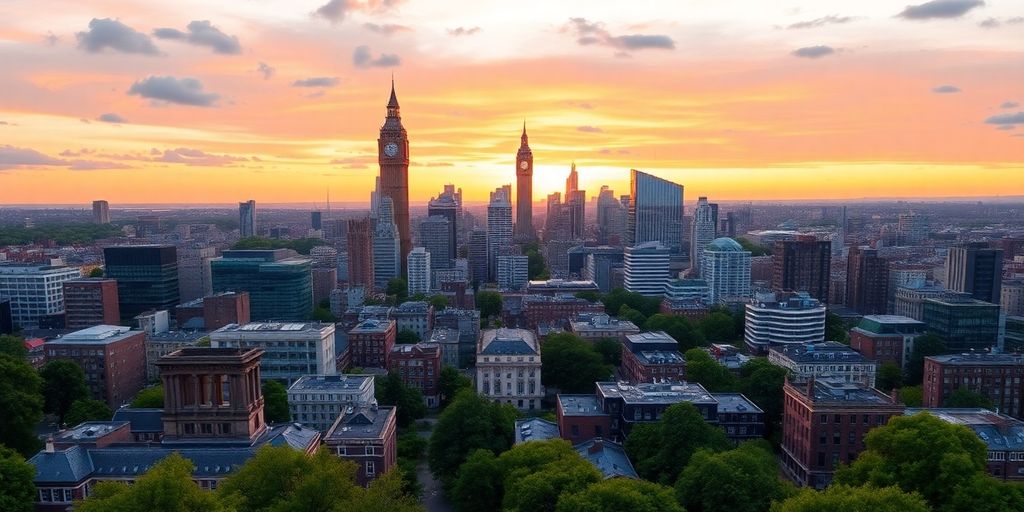
Okay, so what’s next for UK cities? It’s a big question, and honestly, nobody has a crystal ball. But we can look at current trends, throw in some educated guesses, and get a decent idea of what the future might hold. Things like wage disparities will play a big role in where people choose to live and work.
Anticipated Growth Rates
Some cities are just booming, while others are… not so much. London’s always going to be a big draw, but places like Manchester and Birmingham are also seeing some serious growth. It’s not just about the numbers, though. It’s about how fast they’re growing and whether the cities can keep up. Here’s a few things to consider:
- London: Still growing, but maybe not as fast as before.
- Manchester: A solid contender, with a lot of potential.
- Birmingham: Holding its own, with a diverse economy.
Impact of Policy Changes
Government policies can really shake things up. Think about it: new housing regulations, transportation projects, or even changes to immigration laws can all have a huge impact on where people decide to settle. It’s like a giant game of chess, and the cities are the pieces.
Policy changes can either fuel or slow down urban growth. It’s all about creating the right conditions for people to want to live and work in a particular city. If the government gets it right, we could see some amazing transformations. If they mess it up? Well, things could get messy.
Sustainable Urban Development Strategies
Let’s be real: we can’t just keep building and expanding without thinking about the environment. Sustainable development is key. That means:
- Investing in green energy.
- Building eco-friendly housing.
- Creating more green spaces.
If we don’t do this, we’re just setting ourselves up for a disaster. No one wants to live in a polluted, overcrowded city. It’s about making cities livable for everyone, now and in the future.
Challenges of Urban Growth in UK Cities
Housing Shortages and Affordability
Finding a place to live is getting tough. The demand for homes in cities is way higher than what’s available, driving up prices and rents. It’s a real problem, especially for younger people and families just starting out. You see more and more people sharing houses, living further away from their jobs, or just stuck in a cycle of renting because saving for a down payment feels impossible. It’s not just about having a roof over your head; it’s about having a stable, affordable place to call home.
Transportation and Infrastructure Strain
Getting around can be a nightmare. More people mean more cars, buses, and trains, which leads to traffic jams, crowded public transport, and delays. The roads and railways were not designed for this many people. It’s not just annoying; it affects productivity, air quality, and overall quality of life. Cities need to invest in better public transportation networks, like more trains and buses, and also encourage cycling and walking. Smart traffic management systems can also help reduce congestion.
Public Services and Community Needs
More people also put a strain on public services. Schools, hospitals, and social services are all stretched thin. It’s harder to get appointments, class sizes are bigger, and resources are limited. Plus, as cities grow, it’s important to maintain a sense of community. New developments can sometimes feel isolating, and it’s easy to lose that neighborhood feel. Cities need to think about how to create spaces where people can connect and build relationships.
Balancing growth with the needs of the people who live there is a tough job. It requires careful planning and a willingness to invest in the things that make a city a good place to live. It’s not just about building more houses; it’s about building communities.
Cultural and Social Implications of Urban Population Changes
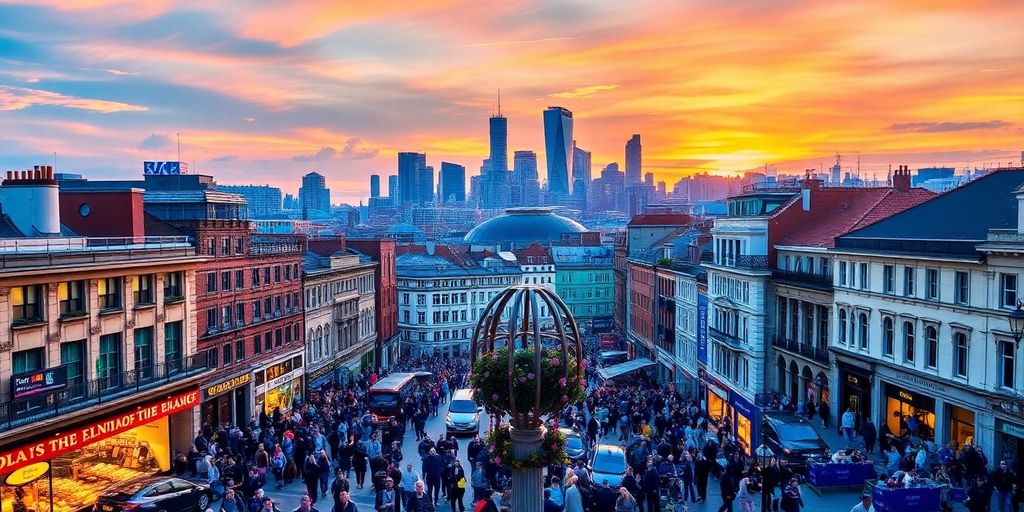
Diversity and Community Integration
As cities grow, they often become more diverse. This diversity can bring a lot of good things, like new ideas and perspectives. But it can also create challenges. It’s important for cities to help people from different backgrounds get along and feel like they belong. This means creating spaces where people can meet and interact, and making sure everyone has equal opportunities. Successful community integration is key to a thriving, diverse city.
Impact on Local Economies
More people in a city can mean more money flowing through the local economy. New businesses might open, and existing ones might grow. However, it can also put a strain on resources and infrastructure. For example, if there aren’t enough jobs for everyone, unemployment could rise. Or, if housing prices go up, some people might be forced to move out. Cities need to find ways to balance economic growth with the needs of all residents. One way to do this is through investment in infrastructure.
Cultural Enrichment and Challenges
Cities are often seen as centers of culture, and a growing population can make them even more vibrant. New residents can bring new traditions, art forms, and ways of life. This can enrich the city’s cultural scene and make it a more interesting place to live. However, it can also lead to tensions if different groups don’t understand or respect each other’s cultures. Cities need to promote cultural understanding and community integration to avoid these problems.
It’s not just about celebrating differences; it’s about building bridges and fostering a sense of belonging for everyone. This approach helps cities thrive by creating dynamic, inclusive communities.
Government Policies and Urban Planning Strategies
Zoning and Land Use Regulations
Urban planning and zoning regulations? They’re like the rulebook for how a city grows. They decide where homes, parks, and businesses can go. Without them, you might end up with a factory next to your house! Governments use these rules to make sure cities grow in a balanced way, supporting both the economy and quality of life. It’s not just about deciding where to build, but also thinking about how people will live and move around. The Government aims for the Bill to significantly enhance housing and infrastructure development nationwide, thereby fostering ongoing economic growth.
Investment in Infrastructure
As more people move to cities, the need for better infrastructure grows too. We’re talking about roads, public transport, water, and electricity. Cities need to invest in these things to keep up with the growing population. Without enough investment, you end up with traffic jams, water shortages, and power outages. It’s a big job, but it’s important for making sure cities are livable. Here are some key areas for investment:
- Transportation: Expanding public transport, building new roads, and promoting cycling.
- Utilities: Upgrading water and electricity systems to meet increased demand.
- Digital Infrastructure: Improving internet access and mobile networks.
Investing in infrastructure is not just about building things; it’s about building a better future for our cities. It’s about creating places where people want to live, work, and raise families.
Sustainability Initiatives
Sustainability is a big deal for cities these days. It’s about making sure cities can grow without using up all the resources or harming the environment. This means investing in things like renewable energy, green buildings, and public transport. It’s about creating cities that are not only good to live in today but also in the future. Here are some examples of sustainability initiatives:
- Green Building Standards: Requiring new buildings to be energy-efficient.
- Waste Reduction Programs: Encouraging recycling and reducing waste.
- Urban Green Spaces: Creating more parks and green spaces in cities.
Final Thoughts on UK City Populations
As we wrap up our look at city populations in the UK, it’s clear that these urban areas are more than just numbers. Each city, from the lively streets of London to the historic vibe of Edinburgh, has its own story to tell. The growth and shifts in these cities mirror larger trends in society and culture. Looking ahead to 2025, it’s important to understand these changes, as they bring both challenges and chances for improvement. Whether you’re thinking about visiting, moving, or just curious, UK cities have a lot to offer. They blend history with modern life, and every corner has something interesting to discover.
Frequently Asked Questions
What causes cities in the UK to grow so fast?
Cities in the UK grow quickly because they offer more jobs, better schools, and fun activities. Many people move there for these reasons.
Why is London the largest city in the UK?
London is the biggest city in the UK because it has many job opportunities and is a cultural hub that attracts people from around the world.
What are some challenges that growing cities face?
Growing cities often struggle with housing shortages, traffic congestion, and the need for better public services.
How does population growth affect local economies?
As more people move to cities, local economies can grow because there are more customers for businesses and more workers available.
What is being done to make cities more sustainable?
Cities are working on sustainability by improving public transport, increasing green spaces, and encouraging recycling.
How do migration patterns impact city populations?
Migration brings new people into cities, which can boost cultural diversity and economic growth, but it also creates challenges like housing needs.


